Something Personal, Season Three, Episode Six: The Power Of Both
 Rachel Schuster is an employment lawyer. She has also danced for the Golden State Warriors and cheered for the San Francisco 49ers. Far from being a contradiction, her experiences in both arenas have complemented one another. Rachel sat down with Palisades Hudson Client Service Manager Brianna Aviles, Financial Planning Manager (and Broncos Stampede member) Ashley Luhmann, and “Something Personal” host Amy Laburda for a deep dive into her career, from the challenges of law school during COVID lockdown to the highs of cheering at the Super Bowl. Learn why, as she wrote for Law360, cheering made her a better lawyer — and how negotiation tactics came in handy with at least one young and enthusiastic fan.
Links
- More about Rachel
- “Cheered Up: You Can Be a Dancer and a Lawyer,” California magazine
- “Cheering In The NFL Makes Me A Better Lawyer,” Law360 (paywall)
- Pro Cheerleading Podcast
About the Guest
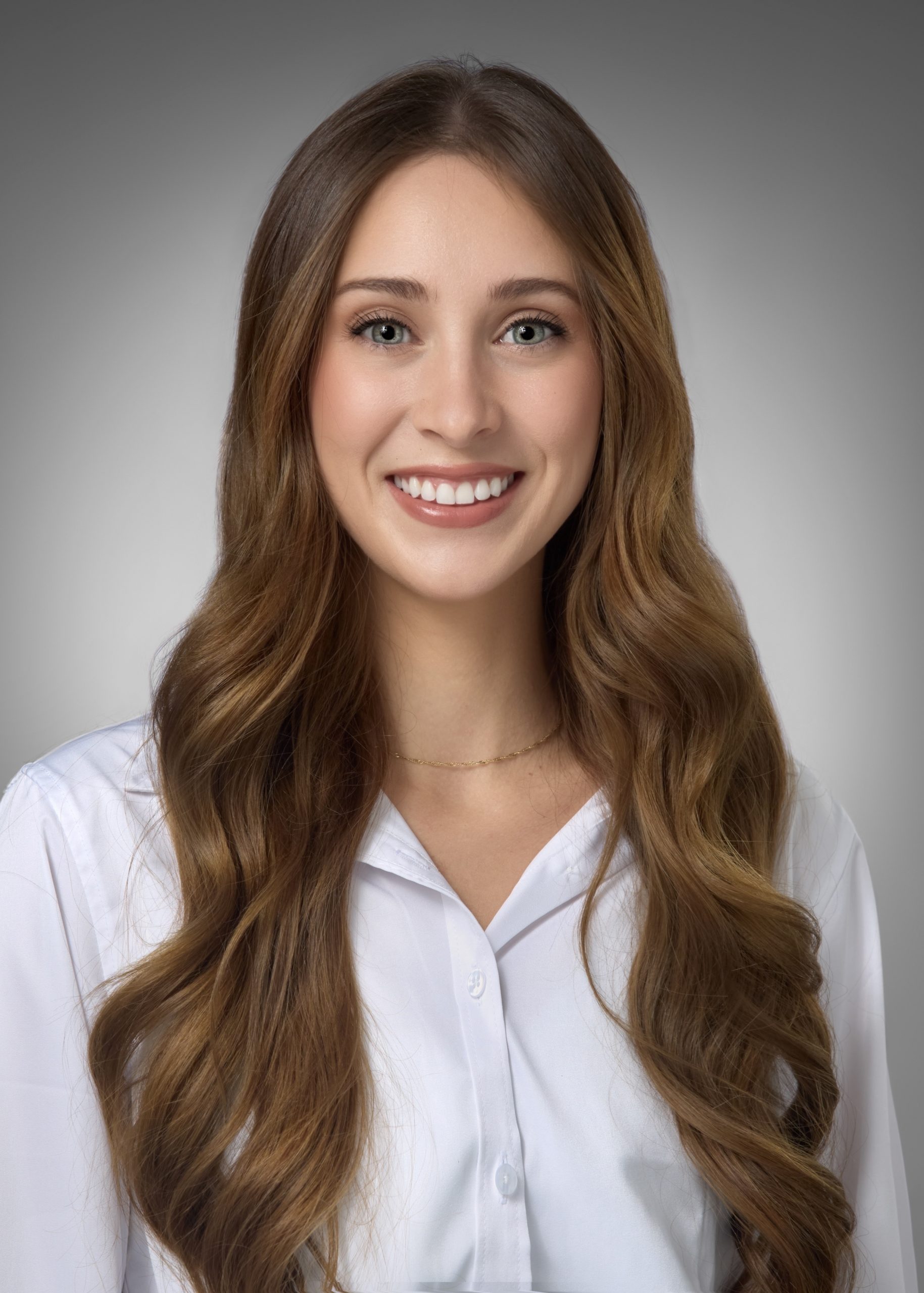 Rachel Schuster is an associate in the Labor and Employment Practice Group in Sheppard Mullin's San Diego (Del Mar) office. She is a graduate of Berkeley Law, where she served as Editor in Chief of the Berkeley Journal of Employment & Labor Law and was president of Women of Berkeley Law. Rachel has also danced for the Golden State Warriors and cheered for the San Francisco 49ers. For Rachel's full biography, click here.
 Brianna Aviles, CFP®, is a client service manager based in Palisades Hudson’s Fort Lauderdale, Florida headquarters. She is a CERTIFIED FINANCIAL PLANNER® certificant and works on projects for clients across the company’s practice areas, including investment, bookkeeping and tax. Brianna also provides support to the firm’s Entertainment and Sports practice. For Brianna's full biography, click here.
 Ashley Luhmann joined the Palisades Hudson team in 2017 and is based in the greater Denver area. As a financial planning manager, Ashley supports the Entertainment and Sports team in a variety of capacities, including royalty collection, bookkeeping, marketing and training support. She is also a musician and a long-standing member of the Denver Broncos Stampede. For Ashley's full biography, click here.
Episode Transcript (click arrow to expand)
Welcome to “Something Personal.” I'm Amy Laburda, the editorial manager at Palisades Hudson Financial Group. When someone asks you what you do, it can be easy to flatten your answer into just one thing. But, as we'll discuss in this episode, embracing disparate skills, interests, and ambitions can make every part of your life richer — even when, from the outside, those parts may seem very different. I'm welcoming three guests today for our discussion. First, Brianna Aviles is back for her second episode of “Something Personal.”
00:37
Brianna is a client service manager at Palisades Hudson, based in our headquarters in Fort Lauderdale. She holds the Certified Financial Planner® designation, and she works on projects across the firm's practice, including financial planning, tax, investment management, and our Entertainment and Sports practice. Brianna, welcome back to the podcast.
Brianna Aviles
Hi, Amy. Thanks for having me. It's great to be back.
Amy Laburda
Next, I'm happy to introduce Ashley Luhmann, one of our firm's financial planning managers.
01:02
Ashley's main focus is our Entertainment and Sports practice, which she supports in capacities including royalty collection, bookkeeping, marketing, training, and even more. She's based in the greater Denver area, but works with clients and our colleagues across the country. Ashley, thanks so much for joining us today.
Ashley Luhmann
Thanks so much for having me, Amy. I'm excited to be here.
Amy Laburda
And last, but certainly not least, I'm happy to welcome Rachel Schuster. Rachel is an associate in the Labor & Employment Practice Group in Shepard Mullin’s Del Mar office in San Diego, California.
01:32
She defends employers in settings including single-plaintiff lawsuits and class actions, and represents clients in mediation and arbitration as well. Rachel is a graduate of Berkeley Law and was the editor-in-chief of the Berkeley Journal of Employment and Labor Law during her time there. She has also been an NFL cheerleader for the San Francisco 49ers and an NBA dancer with the Golden State Warriors. Rachel, it's so kind of you to sit down with us today. Welcome to the podcast.
Rachel Schuster
Oh, I'm honored to be here and super excited to chat.
Amy Laburda 02:02
Well, Rachel, I just introduced you, but let's dive in a little bit deeper on your bio, if that's OK. I wonder if you'd just explain to our listeners what you do in your day-to-day job these days. What attracted you to employment and labor law, and what does your sort of day-to-day practice look like?
Rachel Schuster
Sure. So I am a litigation associate. So what that means is I'm working on the cases that get filed in court and move through the court system, typically. There's also cases that
02:31
may or may not turn into a lawsuit, and we do investigations for those cases. We're navigating alternative dispute resolution outside of the court system, which is where mediation and arbitration come into play. And we're advising clients on a daily basis on how to best be in compliance with the law, as well as investigating any sort of issues that pop up in the workplace. And I chose to pursue employment law specifically because I think it's
02:59
super fascinating. There are a lot of things that happen in the workplace and a lot of people have jobs. So there's a constant flow of different cases and issues happening and the employment law as a whole, as a field, is so vast, right? You're going to have issues like discrimination in the workplace. You're going to have issues like safety regulations in the workplace. And then you're also going to get, you
03:25
know, bigger cases like wage and hour issues. Are your employees getting paid? Are your employees able to read their pay stubs? So it's like every single day is something new, and that is really exciting for me.
Amy Laburda
This is maybe a silly question, but it's a non-lawyer question. As you progress in your career, do people in employment law tend to narrow down and get like...
03:46
You're really focused on discrimination or on wage disputes. Or does it sort of stay varied as you get more senior?
Rachel Schuster
I think the beauty of employment law is you can do both. I think the best lawyers are the lawyers that are able to do anything, because if you're serving your client, your client's going to face different things every single day. And they need to be able to call you and be like, oh, I'm having this issue, but also, I'm also having this issue and you need to kind of be a jack of all trades.
04:12
But as you do progress through your career, you'll find that you like certain things better. So you'll seek out those opportunities. So for example, I've found that probably my favorite part of employment law and working with clients is really getting to know the client's workforce and investigating things when they first come in, the fresh issues, because then I get to go on site. I get to talk to everyone involved. I get to kind of… I'm a big, like, crime show junkie, so I love investigations.
04:41
And so getting to do that in the workplace for clients that I really care about is really interesting. So I definitely seek out those opportunities more.
Amy Laburda
Was law school always something that you had in the cards, or was it something you sort of came to more gradually over time as you were pursuing your education?
Rachel Schuster
It was certainly not the original plan. I actually… So I went to Berkeley for law school, but I also went there for undergrad.
05:07
And I came in as a public health major, because I really wanted to be a nurse, or I thought I did. And then my first year, as a freshman, I took a biology class and we had to dissect something. And I was like, “You know, I need to reevaluate. I think I can't look at blood or fluids or anything like that. So we need to pivot.” I'm a big “Friends” TV show fan. So “pivot” is, like, my favorite word. Big pivot, life pivot. And I ended up just enrolling in, like,
05:36
the only class I could transfer to at that point, which was like a legal studies class. I was like, yeah, sure. It seems like it would be fun. And then I totally fell in love with it. It was like a sociology lens on, like, what the legal system is and what it can do for people. And I was like, “Oh yeah. I like writing. I like reading. I like to argue. So sure, this could be good.”
Amy Laburda
So I know Brianna and I collaborated on a chapter in our firm's book about funding school.
06:06
And law school, traditionally not a cheap option. I don't know if Brianna wanted to jump in here, but we were kind of wondering, talking about this interview before we came in, did you have any hurdles when deciding to pursue law school or any particular goals that got you through that financially?
Brianna Aviles
I mean, that was basically what I was wondering and going to ask. But more so, also just like… Because I know that you were a former dancer and cheerleader as well.
06:35
I guess making that career pivot and change, whether any, like Amy said, like, financial hurdles that you had to overcome, or anything like that to kind of reach your long-term goals?
Rachel Schuster
Yeah. So after I graduated from undergrad, I knew that going to law school was going to be a real financial hurdle, particularly because I was going to have to fund it myself. I'm a first-generation college student and I'm a first-generation graduate student. So there was a lot of consideration that went into pursuing that. And so
07:04
I actually took three years off after I graduated undergrad, and I worked for a plaintiff-side law firm in San Francisco, where I was able to save money. And then I also, on the side, was, you know, moonlighting as an NBA dancer. So I had a little bit of income coming in there as well. And then I also did a stint where I worked as a barista. So I had many income flows during that time in my life, because I knew I was saving up for this. And then,
07:29
luckily, I scored really well in my entrance exam for law school. And so that helped with merit scholarships, which was super helpful. And I'm entirely grateful for it because that definitely helped.
Amy Laburda
Yeah. While we're on the subject of money, if you're comfortable, were you ever looking at dance as your full-time primary career when you were younger? And did finances play any into your decision to move away from that? Or was it sort of a separate calculus you were making?
Rachel Schuster
I mean, yes and no. I think growing up,
07:58
I definitely wanted to be a dancer. I've been dancing since I was like six years old. So I was like, oh yeah, I'm going to be, like, a prima ballerina. I'm going to make a whole career out of that. And then you get older and you realize like 1% of dancers get to make their career that path. And I don't think I had the technical skills to do that. And so I was like, OK, well, what avenues could I pursue or…
08:21
I'm not going to be dancing with Misty Copeland, but I can still pursue dance and do something that's challenging academically, because I really love school and I really want to have a professional academic career. And then I was like, well, if I could do both and I can get money in both.
Amy Laburda
Yeah. So if I have my timeline right, and you can correct me if I'm wrong, it seems like you started law school in 2020, is that correct?
Rachel Schuster
Oh, yes.
Amy Laburda
So I can imagine we can
08:49
guess some of them, but were there any particular challenges hitting that in the middle of the primary COVID lockdown that sort of were bumpy? Or was it a little easier, since you had also gone to Berkeley for undergrad, and you at least knew the campus a little bit?
Rachel Schuster
I actually think both. I think, like, bigger picture, it was super difficult, just because you didn't know anybody. There was really no way you could socialize with people, because we weren't in person. And so much of law school is networking that,
09:17
people in my year, we often talk about how truncated our networking was, because we lost essentially a whole year of that. Luckily, when we all came back our second year, we were very excited to make friends, so that made that transition a little bit easier. Studying was also really hard, because you didn't get to have study groups and everything was virtual. I will say cold calls were a lot easier on Zoom, because people were
09:42
very friendly. And if you were cold-called and you clearly didn't know the answer, immediately 12 people would be in your DMs like, this is what the answer is, this is what the case is. So that was great. I think knowing Berkeley very intimately was super important for me because I kind of understood how the school was going to teach, the philosophy of the teachers. It was already an environment that I was super comfortable with.
10:05
And it's funny that you asked that question, because knowing the campus really well actually got me a husband.
Amy Laburda
Now you’ve got to tell us that story.
Rachel Schuster
I had offered… The poor law school had tried so hard to get us to socialize. So they organized all of these happy hour Zooms, so we could, like, meet our classmates. And I happened to be in Berkeley. So I was like, if anybody wants a very socially distanced tour, I went to campus — or I was at this campus for undergrad. I'm happy to give it to you.
10:34
And my now husband immediately took me up on that offer and asked if I could give him a socially distanced tour. And the rest is history. He actually… He ended up proposing where I ended the tour, because he said that that was when he knew, which is so sweet and cheesy, but totally up my alley. So yeah, it got me a husband.
Amy Laburda
Well, congratulations. You never know, I guess, how these stars will align in particular ways.
Rachel Schuster
You never know.
Amy Laburda 11:04
So the sort of path to actually asking you on the podcast today was our company founder, Larry Elkin, ran across an article in California magazine, the Berkeley alum publication, called “Cheered Up: You Can Be a Dancer and a Lawyer” that featured an interview with you. I will link that in the show notes for listeners who would like to check it out afterwards. But we've sort of danced around your combination of dance and law school. And I'd love to dive into that a little bit.
11:34
You mentioned in the article that when you started undergrad, you expected you would have to stop dancing. So I thought that might be a good place to start: How did you change your mind? How did it look to do undergrad and dance together? And what made you really feel that you needed to keep that in your life?
Rachel Schuster
Absolutely. Well, I was really scared to start undergrad, because I knew it was going to be really challenging. Like I said, I was the first person in my family to go to college, and Berkeley is like…
12:01
was a really big deal for me, especially. And so I was like, OK, I'm going to have to spend, you know, from the moment I wake up till the moment I go to sleep studying. And it's going to be so hard, and I'm not going to be able to do anything except for read books and sleep. And then I was there for about a week, and I started going absolutely stir crazy. And I was like, I need something that's going to take my mind off of work. And I, you know, I want to do my passion. And lucky for me, Berkeley is this huge dance-centric campus. There are like
12:30
30 different dance groups. Different styles, a lot of cultural groups that people can get involved in. And so I was like, “Great, I can just take my pick,” and joined a bunch of dance groups and was immediately like… There was so much relief. I felt like tension was, like, rolling off of me, because I was able to kind of get the release of doing something I love, being with people that are similar to me and that I, like, really can relate to.
12:58
And then, you know, forcing me to be like, OK, well, I have practice in three hours, so I better get this homework assignment done. Or I better study for this test tomorrow, because I’ve got to be somewhere. So it actually helped me kind of focus in on my studies even more.
Amy Laburda
Sure, I think that makes a lot of sense. You know, having something so different to do can sometimes be a switch. I know Brianna, Ashley and I think we would all say it's true in our job at Palisades Hudson, one of the unique things about what we do is that
13:25
it's so many different things. And I know for me, switching between one kind of task and one different kind of task can sometimes refresh you and, like, just sort of reset your brain a little bit. So that makes tons of sense to me. So you also wrote a more recent article for Law 360 on how your cheering career specifically made you a better lawyer. Between the dance and the cheer, it seems like you've really sort of embraced a “both and” mentality in your life. For our listeners, how do
13:53
they influence each other? I know you talked about this a bit in your article, but what are some ways that you find, other than being able to sort of reset your brain, that they influence each other?
Rachel Schuster
So that's such a great question. There's so much overlap between the two. I would say both really require discipline. There's a huge element of teamwork in both. And I think probably the most applicable quality that I've seen in both is the ability to perform under pressure. The first time I ever appeared in a courtroom, for example:
14:23
So much pressure. I had so much nerves. It's very serious. And luckily I was kind of able to pull on my experiences, you know, going onto a field and being in front of hundreds of thousands of people and just being like, OK, we’ve got this. Smile on, you know, nerves calmed and just kind of like go. Because you don't really have another option. I mean, once you hit the field, like, you're there, there's no going back, you can't just, like, run off the field. Same in a courtroom. Once you start talking to the judge, you can't just be like: Pause.
14:53
You know, so probably the ability to perform under pressure, probably, is that huge link between both of them.
Amy Laburda
Did things ever move the other way? Were there skills that you picked up in your law studies that you found useful? I don't have one in mind, so maybe not. But I was just curious if it was a… “both directions” complementary.
Rachel Schuster
I think so. No, totally. I think so. I think, you know, you have to memorize so much stuff in law school, and you have to have really quick recall of like,
15:22
OK, this case or this law or these elements to this claim. And I think that helped me a lot with remembering choreography. Remembering like, OK, this move comes after this move, this routine comes after this routine. And like the schedule of a game day, I'm sure Ashley can relate. Game days are really busy and really hectic, and you have to be able to recall things, like, immediately. And so I think that law school really helped me with that, because my brain was, like, constantly on the go.
Ashley Luhmann
I think another thing, too, that I've realized is
15:51
like I… So I play trombone for the Denver Broncos and something that has gone… There's been a lot of things that have helped from music to this job, but vice versa as well, is I think just that ability to be able to, like you said, perform under pressure. To be able to think outside the box. I know I grew up in music, playing piano and other instruments. I did do, like, some winter guard. So I have some dance background as well. I was a conductor, all these other things. But I think being organized in my day job helped me
16:21
organize my artistic brain as well. I think I'm very much an artistic-brain person, which tends to be very chaotic, very… There's multitasking, there's a lot of things going on. You feel a lot of emotions. But for this job, I've felt like it's helped me with my organization and just kind of compartmentalizing things a little bit better. That way I'm able to perform, still emotionally and still excitedly, but I think it's a little more organized. Therefore,
16:49
it comes across a little more professional, I guess, if that makes sense.
Rachel Schuster
100%. That actually kind of sparks another thought that I recognize between both jobs, is that in a lot of ways, you're performing, right? In both jobs. In your artistic job, so for me, cheerleading, I was Rachel the cheerleader. I, you know… It was very Disney princess, and you're always calm and excited. And then there's Rachel Schuster, Esq., the lawyer, who's very put
17:18
together and, like, ready to go, a good advocate. So there's a… definitely an element of, like, performing in both roles and being able to do that in a way that's, like, very put together. So that I totally understand where you're coming from, Ashley.
Amy Laburda
Yeah, I wonder if we could just speak briefly about… with the cheering and maybe with the dance team for the NBA, as well if there's overlap: I imagine there's a lot of responsibilities that go just beyond rehearsal and the games.
17:46
What sort of other things are on your plate in those positions?
Rachel Schuster
Oh, I love talking about this. I think a lot of people think that being a cheerleader or an NBA dancer is very much just like: you practice, you show up to the games, and then you head home. But it's, I mean, that's maybe like 30 to 40% of what you're doing.
18:05
The other 60 to 70% is just being an ambassador for the organization and also being a member of the community in which people can look up to or that you're able to give back to. So in addition to all the games and appearances that we do, we're also doing promotional events for the organization. We're doing marketing and media, but we're also going out to schools, and we're talking to kids and…
18:33
One of my favorite events that I ever did for the Warriors was like a food bank event. So we were able to, like, go to the grocery store and fill up carts of groceries around Thanksgiving time and really interact with the families and see what they wanted. And that's super important, especially if, you know, the players can't make those events, because we are the connection to the Warriors or the 49ers. We are what the community sees.
19:01
And it's so important for the organization to be involved in the community, because you're representing them. So I think that's probably like the biggest part of being a cheerleader.
Amy Laburda
Yeah, I imagine… It seems like in both jobs, talking to people you've not met before is a huge part of your skill set. Was that a thing that came naturally to you, or is that a skill you had to build?
Rachel Schuster
Oh, certainly not. I am such an introvert. And… Which probably was like why I loved school so much, because I didn't have to talk
19:30
people, could just be in my books. If you ask my parents, like they'll always say, Rachel didn't have that many friends, because she was always busy reading books. I had friends, I promise. But that was like a joke that they would tell growing up. It did not come naturally, but it is crazy how people will get so excited over things that they share passions over and how easy it is to communicate about those things. I… So that's one of the reasons I love sports so much is like,
19:58
regardless of whether you can name every stat from every player over the last 30 years, or you just love to come to the games because you bleed red and gold, those people can all come together and find this commonality and have immediate camaraderie, immediate friendship. And so when you're working for those organizations, you can go out and have those conversations with anybody, and they're just excited to talk about, you know, the touchdown from the last quarter or
20:22
how excited they are that someone got off the bench and like totally killed it last week. Like, those are the things that you can talk to people about and it's always super exciting and fun. So it's easy after a while.
Amy Laburda
I was really compelled, in one of your articles, you described in cheer that there's an arena where people are both really hungry for critique because they're so driven to be perfectionistic, but also the
20:47
activity itself reminds you that perfection is kind of a thing that is never attainable. It's a goal you're reaching towards that you can't get to. Was perfectionism a thing that you had to deal with in your life? I know a lot of kids who really like school fall into that bucket. So I have to ask.
Rachel Schuster
A hundred percent. I mean, I think especially… So I'm an oldest daughter, oldest of three. So I definitely also had that like, got to be perfect all the time mentality. Got to, you know, get all A's.
21:16
Crashed out when I got an A-minus in high school. I'll never forget that class. AP Gov. Don't want to talk about it. [laughs] But I think being a dancer helps a lot with that, especially when you have a really good coach who teaches you that it's OK to fail. Because if you are too afraid to fail, then you can't get back up and try again. And so I actually grew up with a disability. I was diagnosed with an autoimmune disease when I was
21:45
five or six that was really debilitating to my ability to dance. I was not very strong. I was not very flexible because of this issue. And so I had a coach who was able to nurture that and be like, you're not going to be perfect, but you can give, like, your full heart and that's all that matters. And so I think that helped a lot with like, OK, I'm not going to, you know, be able to do four turns when everybody else can, I'm going to do three, but it's going to be the best three turns you've ever seen in your life. So that helped a lot for sure.
Amy Laburda 22:14
Absolutely. I think when Larry first flagged you as a guest for the podcast, and I first encountered your story, the immediate thing I thought was she must have great time management skills. I was curious, with other cheerleaders that you worked with — I think lawyer is a profession that is really, you know… has such a reputation for being someone's whole identity, for wrapping up their entire life. Did you run into a lot of other cheerleaders with similarly all-consuming jobs outside their cheer life, who were making it work
22:43
with both of them?
Rachel Schuster
Oh, yes. I also love talking about this, because I always love elevating my teammates. But when I was on both of my teams, I worked with nurses. I worked with ER doctors. I worked with EMTs, people who were literally working from the second they woke up to the second they went to sleep, or maybe not even sleeping, because they had a night shift. I worked with engineers, computer scientists, people who designed video games.
23:13
I mean, you think it, there's a cheerleader out there that does it, for sure. There's women working in construction who are also on the team. Managing dance studios. I mean, cheerleaders and dancers are unstoppable.
Amy Laburda
That actually leads me to, I know Ashley, I think had mentioned wanting to talk to you a little bit about sort of the side of… It seems like previously in the NFL, there was sort of an era of mystique where you're only “Cheerleader Rachel” when you're on the field.
23:41
And it seemed like from some of the things you've written, maybe there's a little more discussion. I'll actually kick that to Ashley if you wanted to go into that a little more.
Ashley Luhmann
Yeah, Amy had mentioned the area of mystique. I feel like we've done that as well, where people… I'll tell them that I'm part of the Stampede and they're just like, oh, well, what's that? And having to explain, “Oh, we work with the mascot. We work with the cheerleaders. We do marketing, we do events. We do all these other things.” And I think there's been a big interest over the last couple of years
24:07
with the Dallas Cowboys Cheerleaders and that whole, the show on Netflix, and those types of things. And just kind of the pay disparity between… NFL is one of the highest-grossing organizations in the world and how are these people getting paid? Are they getting compensated? They're working so hard between rehearsals, extra rehearsals, all of the marketing. I just thought it was very interesting with you being an employment attorney and then having that aspect of experience as well with being a dancer for multiple groups.
24:37
Do you see a big shift in, A, women in sports, predominantly basketball and football. And how do you see the growth of compensation for people like us? I mean, people in the band, people… the cheerleaders, all those kind of extra things that people don't see as big jobs but are super important to the environment.
Rachel Schuster
Certainly. So those are two really big questions. So I'm going to take them separately.
25:06
I'll start with kind of like the rise of women in sports, and the rise of the recognition of the many hats that women wear in sports. And I think that, you know, for all the horrible things that social media does, it also does provide an opportunity to highlight women in sports in ways that they haven't been able to be seen as before, right? Because you would see them maybe, like, during game day on your TV and be like, ah yep, cheerleaders on the side. Or even if you're at the game and
25:34
maybe one of the announcers is a woman and you just see her in that role, that makes them very one dimensional. Versus with social media, you're able to do profiles on those women. Media outlets can come in and do a news story, for example. When I was on the Warriors, one of my teammates, who was a software engineer, had a magazine come in and do a whole expose on like her day job as a
26:00
software engineer and then her nights as the captain of the Warriors dance team, which is super cool. But because we have media and we're able to look at someone in a multi-dimensional way, that I think kind of has propelled the rise of, like, women in sports. Maybe… They've always been there. They've always been running things, especially behind the scenes. But we just get a little bit more of a look into their life in that way. As for kind of the compensation aspect of your question,
26:28
that's a little bit more of a difficult and nuanced question, because every team is so different. You know, everybody sees just the Dallas Cowboys Cheerleaders and I think the last season they had a very… It was very centered on how much they get paid and they got this huge raise and that's super, super awesome. There are other teams that have been paying their cheerleaders at a super high rate the whole time. There are other teams that may follow suit
26:54
inspired by the recent increase for DCC, which is super awesome. I can say from my own experience, I've always felt very properly compensated and very well taken care of. A lot of teams have sponsors for their cheerleaders and dancers. So, you know, you get paid your regular amount for practices, appearances and games. And then you also get like free tanning throughout the season, or free nylons throughout the season, or free
27:22
fake nails throughout the season. So there's always extra perks. And of course, you know, like all of your clothes are given to you. You're not buying your uniforms or anything like that, at least for the teams I was on. And another interesting wrinkle from the lawyer side, or from the employment law side, is not every team owns their cheerleaders. So not every cheerleader is being paid through the organization that they necessarily cheer for. So
27:48
a lot of… Many cheer teams are actually owned by production companies and then they will be contracted out to the Niners for games or for promotional appearances. But the paychecks don't actually come from the Niners. They come from the production company. So that adds another layer into the decisions being made around compensation for sure.
Amy Laburda
That's so fascinating. I did not have any idea that that was the case. While we're speaking of that sort of business side
28:15
of the question, I know Brianna had a question about the overlap between your law training and your performance career. So I will hand it over to her to ask that.
Brianna Aviles
So as Amy mentioned earlier, I recently got my Certified Financial Planning certificate. And, you know, I feel like I learned a lot of things while studying for that exam that I try to apply to my day to day now. So I was just wondering, when you were in law school, I'm sure you guys learned a lot about negotiating and contracts and stuff like that.
28:44
Did you ever take what you learned about negotiating in school and apply that to your dance or to your career?
Rachel Schuster
Well, we definitely learned about that in law school. I actually took a negotiations class. So I had those skills sharp and ready to go. I never… I mean, honestly, the only thing I can ever think of using negotiation tactics for was when a little girl stole my poms during a performance appearance, and I had to negotiate to get them back, which ended up with her getting a piggyback ride
29:13
being able to wave the pom poms around. So that's probably the only time I had to use negotiation tactics as a cheerleader.
Amy Laburda
That actually leads me directly to another question I had, which was, I was just curious: Did you have any wildly unexpected things happen while you were either dancing or cheering, where you were sort of using those “think on your feet” courtroom skills as far as just, like, expecting the unexpected. And if any of them are shareable, if you would share the story, I'd be interested to hear.
Rachel Schuster 29:42
Oh, certainly. I mean, all the time. So I was a captain my last season for the 49ers, and I was thinking on my feet all the time, mostly because you don't know how the game is going to go. And as a captain, you're the one calling the shots on the sidelines. You're telling the people that you're with what cheer we're going to do, whether we should be facing the field and watching the game, or turning around and hyping up the crowd. So like, I mean, you are on for four hours straight, for sure.
30:09
Thinking of, like, a very specific anecdote I could tell: We were… So my last game ever was at the Super Bowl, which is like the coolest thing you could possibly say. And during the Super Bowl, we, you know, there's a ton of people on the field, right? There's like every single media outlet. There's the cheerleaders, there's the players, coaches, everybody. And there was one moment where we were just like completely pushed to the sideline, but it was like the craziest part of the game. And people are looking at us like, are they going to cheer?
30:37
And we're just pressed up against the stands. And so I remember making eye contact with one of my best friends, Haley, who was also a cheerleader, and being like, we're going to do it. We're going to do it right here on the sideline, like, squished against the wall. And we just called it in, and we just went straight into a bunch of cheers and chants, and the people in front of us were going crazy. It was kind of one of those things where it's like, we’ve got to make it work with what we got. So yeah, I mean, things like that happen all the time.
Amy Laburda
So fun.
31:05
I also was wondering, as you sort of move on in your legal career, obviously dancing professionally has a shorter shelf life than law for most people who do it, just because of the physical toll it takes on you. Have you given any thought to, do you want to support dance organizations in other ways? Do you want to include that in your life going forward? Or is it, you're too fresh off of that chapter of your life and you haven't thought about it as much yet?
Rachel Schuster 31:32
Well I mean, I would love to have dance a part of my life for the rest of my life. Like you said, it's definitely a shelf life, in terms of, like, how long you can do it personally. I did it for six years, which was a lot longer than I anticipated doing it. So I'm really, really happy I was able to have that opportunity. But I still teach. I teach pro dance classes. I mentor a lot of people who are going through the audition process, which was super rewarding for me. And in terms of like, if I would ever use my
32:00
my lawyer skills to help out in any way. I mean, maybe someday. I know that there currently is a movement right now. There's a woman who is a former Seahawks cheerleader, and she's also a lawyer. I believe she practices labor law and she has a podcast as well. It's called “The Pro Cheer Podcast” and she talks about fascinating things. But she has always floated the idea of maybe somehow getting
32:26
the NFL and NBA teams to unionize. So that's definitely, like, something that is in talks right now. I don't know if there's actually any traction on that. But I mean, maybe that's something I could potentially get involved in in the future or at least, you know, keep track of it. Because I love reading my updates every morning from Law 360. So it definitely would be on my radar. But in terms of like currently, probably not. I'm still pretty junior.
Amy Laburda
That's fair.
32:54
Obviously, your dance and cheer career aren't a secret since you've published articles, you've talked publicly about it, you're doing so very graciously here today. Have you ever run into any prejudice or people who sort of give you the side eye, or on the flip side, anyone who's very excited to find out about this in your law career, in that side of your life?
Rachel Schuster
Oh, I… So I was so scared to tell my law firm that I was a cheerleader and that I really wanted to continue doing it throughout my first year, so I could kind of wrap up my career. And
33:24
to my absolute shock and surprise, I have never met more support in my life. Everyone was so excited. They're like, I can't believe you do this. That's the coolest thing. It makes you a better lawyer because of all these reasons. And we really want to support you in this. So I've actually had nothing but full support from my firm. They actually were the ones that asked me to write that article for Law 360, kind of talking about my experience and how it helps in both careers.
33:51
And they were super supportive of it. And externally, once the article was published, I was so astonished by the receipt of this from, like, the legal community. I had… I mean, I had to clear my inbox. It was like 40 emails of people being like, I think this is super cool. I had a couple of dads reach out to me about their daughters who are currently cheerleaders in high school and also want to be lawyers. And they're like, we sent this, you know, to our daughters and we're going to tell them that they can do both.
34:21
It was super touching. And then also hearing from people, particularly women, across the United States who are like, I also have like this really unique artistic thing. Like I play for the symphony and I'm also a lawyer. And I was like, wow, like there are so many of us who are, like, artists also pursuing academic professions. And it was really, really lovely to hear kind of the support from around the legal community.
Amy Laburda
So wonderful. I'm delighted to hear that that was the response you got.
34:49
You know, we can boast here. Ashley, as we've mentioned in this podcast, works for us, but also plays for the Broncos Stampede and I know has other artistic endeavors outside of work. I think that's true of several people in our company. So I think the reduction of stigma, I guess… I don't know if stigma is the right word, but feeling like you have to leave your entire self except for work outside of work, it feels like a thing that is maybe shifting a little bit, for the better, I think.
Ashley Luhmann 35:18
I think it's also interesting to see the reaction. I also have a job and bartend some nights as well. So getting to know people and talking to people in that type of environment is interesting too, because people will ask, you know, what do you do for work? And generally, I'll start out with, well, I'm a financial planning manager for a financial firm focusing in entertainment. And the response is always like, oh, wow. It's very serious.
35:43
That's so interesting. And I can only imagine as a lawyer, you get that as well. And it's like their whole perception of you when you say that aspect of your life is like, oh, OK, you're very serious. You're very studious. You're very disciplined. But then sometimes for fun, I'll throw in the party trick of like, yeah, I play trombone for the Broncos, and I sing in community choir, and I do these things. And their whole persona and their whole response is so different. Like, oh, my gosh, that must be so much fun. What a blast. You're such a cool, fun
36:13
person. It's just really interesting because to you, you know, you're still the same person, but the response that you get, given what you tell them you do, is so drastically different. So I've just always found that comical, to see people's responses to the job that you tell them you do.
Rachel Schuster
Oh, 100%. I've had fans ask me, you know, what do you do? And I'm like, oh, I'm, I'm a lawyer. And they're like, you work at a law firm. I'm like, I am a lawyer at a law firm. Yes. Thank you so much. And it's not like, like, I don't think —
36:42
and maybe you agree or disagree with this, Ashley — I don't think it ever comes from a place of malice. I think it comes from a place of, like, people get put into boxes. And a lot of times those boxes are artistic boxes or they're, you know, academic, professional boxes. And we just have to continue to push the narrative that, like, there are no boxes actually. And if there is a box, it's an all-encompassing box that includes both boxes. We're a Venn diagram, you know?
Ashley Luhmann
Absolutely. Yeah, it's been really kind of a fun,
37:11
just, little project to see what people think of different things. But 1000% yes, I think it's fun to challenge people to think and let them know that you can do all of the things.
Amy Laburda
Yeah, I think… I have to imagine, for Rachel with your law degree, and Brianna, even just getting your CFP® this year, like… You tell people, and as Ashley was saying, sometimes you can just see people freeze. They're like, oh, I don't know how to respond to this. And I feel like, you know, to circle back to a thing, Rachel, you said earlier,
37:41
sports and arts and a lot of those things are things people can just immediately connect over. They're like, oh, you know, I also love this team, or I love a different sport, but I love it in just as deep a way. And people find that like such an icebreaker that I imagine that it makes connecting easier, even if you're not connecting in that context as much, you know, just bringing the whole of yourself to the conversation that way.
Rachel Schuster
Oh, a thousand percent. And it's so much more fun sometimes to have those conversations than when people find out I'm a lawyer
38:09
because they're like, oh, you know what, I have this legal problem. Or, oh, you know, like, is this illegal? And I'm like, first of all, I cannot advise you on any of those things. So I'm not even going to comment. Or they'll have, like, some, you know, like crazy case that they heard about. And they're like, what do you think about it? And I'm like, you know, I don't actually know anything about criminal law because I am in fact an employment lawyer.
38:32
So those are sometimes harder conversations to have. But if you say you work in sports, they're like, oh, let me tell you about my favorite team, my favorite player. And I'm like, yes, this I can do.
Amy Laburda
Brianna, do you get those when you tell people you're a financial planner? When they're like, wait.
Brianna Aviles
Yeah, for sure. I think especially because I'm pretty young and got the certificate pretty young. So it's funny, actually, the other day at my Pilates studio, my instructor was like,
38:57
Oh so, like, what do you do for work again? And I was like, oh, I'm a financial adviser. And she's like, oh, I think I knew that. But she definitely did not know that because I never told her or anybody at the studio. So it's just funny to see people get taken aback.
Amy Laburda
Yeah I mean, I think even in in 2025, sometimes people who, as you said, don't have any malice in their hearts, but just like have in their head what a financial planner looks like, what a lawyer looks like, you know, what a cheerleader does when they're not on the field, and those kind of
39:24
sort of mental shortcuts I think can still come into play unexpectedly sometimes, for sure.
Rachel Schuster
Oh, certainly. I mean, I think sometimes people think that cheerleaders go home and they spend their daytime hours, like, at a shrine to whatever team that… like lighting candles for them. It's like, no, actually we're multifaceted. We're doing many, many things and we're not, you know, having a vigil for our favorite player.
Amy Laburda
Yeah. So Rachel, you mentioned, you know, those dads reaching out to you. If you could go back in time and talk to yourself,
39:54
say, you know, in high school or early in your college career about combining these different things and what was ahead of you. Would you have any advice about, you know, keeping your interests, all your irons in the fire? Is there anything you wish you'd known that you didn't know?
Rachel Schuster
Maybe and maybe not. I always struggle with questions like this, because I feel like I am the person I am today because of, like, all of the missteps that I took and all of the things I kind of had to wing.
40:22
But I would tell younger Rachel, like: Biology is not where it's at for you, honey. We do not want to be a nurse. We want to be a lawyer. So just start there, because that was a traumatic semester for me that I'd like to not have had.
Amy Laburda
Yeah. If it makes you feel better, we did an in-house survey for a lot of our staff members about what they wanted to be when they grew up. And we had more than one person, including one on this particular podcast, who wanted to be a vet and then
40:52
realized what that would entail in some of the more specific ways. So you're not alone in having the rubber meet the road that way, I think.
Rachel Schuster
That does make me feel better.
Amy Laburda
So regular listeners to the podcast know I like to hand it to my guests before we wrap up here. So I'll start with Brianna. Did you have any final questions for Rachel that came up? Any topics we didn't touch on that you wanted to get to? Or just any final thoughts before we wound down today?
Brianna Aviles 41:18
Yeah, so now that you have experience with both cheerleading and law, looking back at your journey over the years, what would success look like for you today? Because I'm sure back then when you were auditioning for the team and then you landed a place on the team, that was, you know, your milestone of reaching success back then. So I guess combining the two today, what would you define as success?
Rachel Schuster
That is such a wonderful question. It's also so difficult to answer.
41:48
I think I have constantly lived my life, like, one goal at a time. You know, it's always been like graduate high school, sweet. Graduate college, awesome. Like it's always been kind of a stepping stone. Although as I've gotten older, and I've learned to live a little bit more in the moment and not think about, like, the next goal, what is going to bring me success, success has taken on a greater kind of purpose in my life. So success to me looks like
42:17
being in a job that brings me happiness. Being in a job where I feel like I'm being challenged and growing day to day. Versus like, OK, I'm only going to be successful if I win a trial. I'm only going to be successful if I make my hours this year. I've kind of expanded past that. And I think a lot of that, too, has come… that perspective has come from being a cheerleader. Because I realized, you know, it's not just, I need to have a successful game. I need to hit my mark
42:45
on every single routine I do. It's been more like: This time that I have as a cheerleader and as a dancer is so fleeting that success is really enjoying every game and enjoying every relationship and being present in the moment. So that's a really great question and kind of helps me reflect a little bit more on like, it's… Success has changed for me so much within my life of like going from step to step to being just like generally present and happy
43:13
with everything that I'm trying to accomplish.
Brianna Aviles
I feel like I'm kind of in the same position, where I'm always looking to challenge myself and for the next best thing to do. And I also am trying to live more in the present moment, because I tend to always look in the future, and I just passed the CFP® exam and now I'm looking at what other exams I could take. And just how to challenge myself both physically and mentally, while I think that's important, but
43:41
I think also living in the present moment and taking a step back just to appreciate everything that you've already accomplished and how far you've come and like where you are today is just as equally as important. So I could resonate a lot with what… everything you just said.
Rachel Schuster
Totally. And when you think back, like, you know, rewind 10 years from when you were a teenager or even a kid, and just think about all the things that you never even knew you would accomplish. Like I try to do that a lot, because I think I am… It might be because I'm a lawyer, I'm very hard on myself.
44:07
Actually, that might come from being a dancer too, but I'm very hard on myself and so I try to think like there's… Rachel did not think she'd be cheering at the Super Bowl and also writing a motion the next day on the way back, on the plane from the Super Bowl. Like that is super crazy. And so for you, you know, like who, you had no idea that you'd be having this successful career. You'd be a guest on a podcast. You'd be passing this license exam. Like you've accomplished so much. And if you ask, you know, Brianna from when she was 10,
44:36
she probably had no idea that she was even capable of doing all of that.
Brianna Aviles
Exactly. And as Amy mentioned, Brianna at 10 years old thought she was going to be a vet, but things changed.
Rachel Schuster
Totally fair.
Amy Laburda
Awesome. Well, I will now give Ashley the opportunity. Do you have any final questions for Rachel or any thoughts that you wanted to just touch on before we wrapped up today that we didn't get to?
Ashley Luhmann
Yeah. First of all, I just want to say thank you for mentioning, reminding yourself of the accomplishments that you have. I
45:03
similarly move from one thing to the next, and do a marathon one day, and then in tech week for a choir the next day. And you're just, you're constantly moving and you're constantly focusing on the next thing. But I think for everybody, it's so important to take a moment to appreciate the accomplishments that you do have, because I think we're all really hard on ourselves, especially like you said, I don't know if it's the dancer in me or the lawyer in me. Well, it's all of the things in you that make you feel like that.
45:32
So thank you for reminding us and our guests of that, because I think that's super important to do. My last question was just kind of a fun one. What is something in the next, you know, month, six months, year that you are really excited about, be it personally, professionally, artistically that you're excited about?
Rachel Schuster
Oh, that's a wonderful question. I think for, like, my lawyer side of things, I'm definitely getting to the point where I'm a lot
46:02
more capable of taking on tasks that maybe before I needed help on. And so I'm being able to run cases by myself. I'm being able to, you know, use my voice. It's something that my boss, he's, he's so good about this. He's always like, you need to be more confident. You clearly can go out in front of a million people and dance. So like, you should voice your opinion, because your opinion matters and it's actually good. I'm like, thank you.
46:26
So I'm definitely looking forward to exercising my voice and my confidence more as I take on things more solo, which is really exciting and nerve-racking, but mostly exciting. And then for my dance side of things, I'm looking forward to kind of leaning into more of that coaching role, staying involved in that way. So two of my really most amazing friends both are college coaches for college dance teams. And so I go back a lot and I choreograph for those teams.
46:54
I help with auditions every year. And so that's something I always look forward to, because I'm helping shape the next generation of dancers, which, I mean, is so rewarding. And then personally, I'm really looking forward to spending time with my new family this season, this holiday season. So I got married last year, which — to my law school sweetheart, who we spoke about earlier. But we're going to get to spend the holidays with his family this year.
47:23
I love them all so much and they've so welcomed me into the family. So I'm looking forward to spending time with them.
Amy Laburda
Wonderful. Well, Rachel, you've given us a lot of words today. I'm very grateful for it. But before we sign off: We've touched on so many topics and I just wanted to see if there was anything we didn't discuss that you wanted to, or any final thoughts that you wanted to leave our listeners with today.
Rachel Schuster
I would say, just like, I think it's so important to always pursue your passions, even if it's scary. I think,
47:51
kind of, I had this recurring thing in my life, right? I was like, I'm going to go to college, I'm not going to dance, I'm only going to study. And that didn't work because I had to fall back on my passion. I had to have that part of my life. I went to law school, I was like, “Probably after [the] NBA, I don't know if I can swing it doing anything else.” And then I was like, I have to try to make it work. And then the NFL came along and that was so amazing. And then joining a law firm, it's going to be it. Like that's the end for me. And then I was like, no, I'm going to at least try.
48:19
You know, even if it ends in a failure, it's not a success, at least trying to be pursuing all of your passions at one time is worth it. It's totally worth it, because it makes your life so much more fulfilling and well-rounded. And I really, truly don't believe that I would be the lawyer I am today without my dance background. And I'm super grateful for that.
Amy Laburda
Well, I can't think of a better note to end on.
48:42
Thank you to Brianna, Ashley and Rachel for sitting down with me for this conversation today. I had a great time. I hope you did too. And I hope some of our listeners will be inspired to follow their passions wherever they may take them.
48:56
“Something Personal” is a production of Palisades Hudson Financial Group, a financial planning and investment firm headquartered in South Florida. Our other offices are in Atlanta; Austin; the Portland, Oregon metropolitan area; and the New York City metro area. “Something Personal” is hosted by me: Amy Laburda. Our producers are Ali Elkin and Joseph Ranghelli. Joseph Ranghelli is also our director, editor and mixer.
49:22
If you enjoyed this podcast, please take a moment to rate and review us wherever you're listening. It's a simple way to help new listeners find the show, and we really do appreciate it. Thank you.