Something Personal, Season Three, Episode 12: A Life In Film (And Podcasts)
 In a special behind-the-scenes episode of “Something Personal,” host Amy Laburda chats with the show’s director, editor and mixer, Joseph Ranghelli. Joe offers listeners a window into what he does for this podcast, as well as his experiences on other podcasts and on television. Amy and Joe then dive into Joe’s film background and his experiences working for productions in New York City. To wrap up, Joe shares his opinions on the upcoming Academy Awards: what should have been nominated, why “Sinners” broke through despite its genre roots, how to predict which way best picture will break and more.
Links
- Art Movez
- BRIC TV
- “Chill”
- National Board of Review (history)
- Billy Crystal’s opening monologue at the Academy Awards, 1998
- “Aspect Ratios with Sinners Director Ryan Coogler”
About the Guest
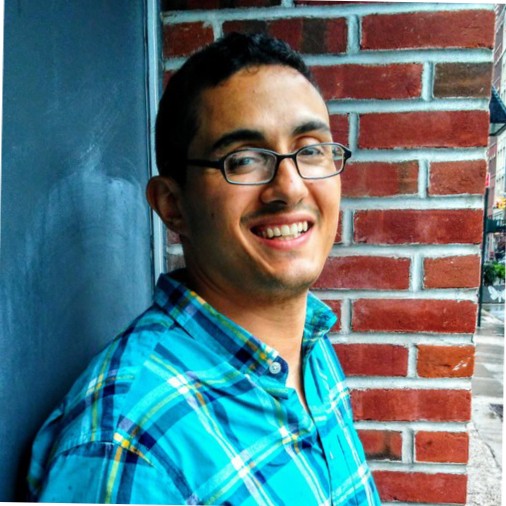 Joseph Ranghelli is the director, editor, mixer and co-producer of "Something Personal." He is the manager for community producer services at BRIC Arts & Media in Brooklyn, New York. Joe is also a voting member of the National Board of Review. He holds a degree in film production, with a focus in directing, from Brooklyn College.
Episode Transcript (click arrow to expand)
Welcome to “Something Personal.” I'm Amy Laburda, the editorial manager at Palisades Hudson Financial Group. Those of you who listen to the credits of our show — and we appreciate those of you who stick around — have already heard the name Joseph Ranghelli. For those of you who haven't, Joe is our podcast’s director, editor, mixer, and co-producer, and he's been with us since episode one. Today's episode is special, because Joe has agreed to join me on the other side of the microphone [to]
00:33
give us all a glimpse behind what goes into making the podcast you listen to. Joe is also the manager for community services at BRIC, a leading arts and media institution anchored in downtown Brooklyn. Joe, I'd normally welcome you to the podcast, but you've been here the whole time. So I'll just thank you for agreeing to chat with me today and give our listeners a look behind the scenes.
Joseph Ranghelli
I'm always here lurking in the background. [laughs] Thank you for having me.
Amy Laburda
So, Joe, I thought we'd start with the podcast, since that's what we sort of jumped off of.
01:02
You obviously wear a lot of hats here at “Something Personal,” as our listeners just heard. So could you just describe a little bit, for people who aren't familiar with podcasts or audio production, what exactly you do for our show, and maybe a little bit how those different hats tie into your work?
Joseph Ranghelli 01:18
It's funny because I feel like… I've worked on other podcasts, and I feel like because you're so great at what you do, I have less to do here. So thank you, Amy. But, you know, during recording, usually before we get on, the part that the people don't hear is I'll speak to whoever our guest is for the day and just kind of let them know what we're looking for, sort of the flow of conversation and just kind of like direct it in that way. But again, Amy has already sent them sort of very detailed questions, so they're kind of prepared for that.
01:47
And then during the show, I'll listen and just, if anything comes up where I think, you know, we may need to go back and retake something or do something — And again, it's a free-flowing conversation. So we're not really, like, getting these, like, long retakes of stuff. But if it's like, oh, can you just like come back to the start of that question and maybe pick it up, because, like, something messed up here or there. I'll look out for that. And I'm making notes sort of throughout just for the edit.
02:15
But for me, at least on this podcast, I think where most of my work really comes in is in the edit, because I feel like that's where I'm doing a lot of the directing, like moving pieces and different things like that. So I'll use your questions as a guide, but then it's also like, all right, how does it make sense for the flow of conversation that we actually got? And this is true for film and stuff, and television, but...
02:42
“You find it in the edit.” That's that's the phrase, right? So I feel like that's really where I get to shine here is finding it.... And it's not only just editing but, like, cleaning up a lot of audio. Because for our podcast, one of the things that I feel like I try to do is have a very consistent sound. I think we have guests calling in from home and all these different areas. So there are variables we don't have control over. But one of the ways we approach our podcast is we send kits out to people
03:12
that we've built, because we wanted that consistent sound. So, you know, other than, like, the variables of like, you know, ambient noise in the background or different things like that, that I will clean up in editing or in post, that's kind of how we approach it. So like I specced the kits and we built the kits. And that's kind of hopefully… a long-winded answer to what I do here.
Amy Laburda
Yeah, no. I mean, I think it's interesting for people who don't necessarily know, like…
03:39
None of us are really ever in... Well, I say none of us are ever in the same place. We have had one or two: when I sat down with Gabe Fleisher [in] season two. This season, when Melinda Kibler and Alex Kuk were on, the two of them were together, though I was in a different place. So we do occasionally have people in the same place. But mostly we're all scattered across the country. A lot of people, as you said, are recording from their homes. So there's a lot of things we can't control.
04:06
I record from my house, so occasionally my neighbors decide to make some noise at the wrong time. So we appreciate Joe keeping us clean and crisp for your ears. You know, I think today, obviously different podcasts have different setups. But I always notice it as a fan of a podcast when it's clear someone's calling in on Zoom.
Joseph Ranghelli
Right.
Amy Laburda
And sometimes that's the only way to get a person. And I understand that. But it's just less pleasant to listen to.
Joseph Ranghelli
Right. And I think different podcasts have different, you know,
04:34
ways they feel about it, right? Like that, you know, they don't mind the, like, Zoom, someone on their earbuds, or something like that. But for me, I knew I wanted that consistent on-mic sound. So that's why we make sure, as best we can: everybody using the same microphones and stuff like that.
Amy Laburda
So without calling out any other particular productions,
04:56
you mentioned that this one is mainly an edit-forward podcast. Other podcasts you've worked on, have there been differences? Have you been doing more upfront work? How has that flow gone for you?
Joseph Ranghelli
Yeah, yeah. So I worked on a podcast for BRIC, which, you mentioned, is where I work. We did a podcast called “Art Movez,” and it was a really cool podcast where we had these two people, one of which was a board member at BRIC and another friend of hers who worked
05:24
in the arts in New York for decades. And they were interviewing all these people within the arts or arts organizations throughout New York. And we got some really, really great interviews. But with that podcast, it was very much directing-forward. Because one of the things they wanted was, since there were two of them and they were very different personalities, both great in their own right,
05:46
they wanted that direction between the two of them. So I was actually, while we were recording the episodes, I was actually in their ear, with what we call an IFB [interruptible foldback], which you'll see sometimes on, say the [Macy’s] Thanksgiving Day parade, right? They'll have the thing in their ear and they're being directed by somebody. So I was actually doing that during the podcast, like, calling directions as we're recording and having conversations with people. So it was just very much, like, more in the moment directing.
06:15
Which I don't think we need for this podcast. It's because you drive it so well, and it's all sort of like just kind of curated before. And it's not that they didn't… They came up with great questions beforehand, and a lot of that was happening, and I helped sort of mold some of that as well. But it was a lot of alright, let's go to this person, because, like, this person's maybe been asking too many questions. So let's go here. And so on and so forth. So… And then I
06:42
worked on another podcast with a friend, which was not great. [laughs] But we did a lot of episodes and it was… It was a really cool experience. And that's actually where I learned a lot about the editing process of podcasts. Because prior to that, my work was just like video editing. So it was cool to do that. Just to like do like 40 episodes of us rambling, like, having to edit those.
Amy Laburda
Yeah. Yeah. I mean, I think, you know, a lot of the learning for hosting for me has been learning by doing. Back in season one, it was almost always
07:12
just me and one other person, and always someone I knew, because it was one of my coworkers here at Palisades Hudson. And now this season, we've had several episodes where we've had four people, including me, on mic, which I have to imagine makes your editing job a little more complicated. But also just in the moment, you're trying to have what feels like a natural conversation. But also as the host, you're sort of, oh, I want to keep it flowing. I want to, as you say, make sure people get chances to ask their question. No one feels dominated. So it's an interesting sort of part of your brain.
07:41
And I really don't know other than doing it how to build that skill. Yeah.
Joseph Ranghelli
The one great thing we have here is although yes… Although we've had, like, you and other people from Palisades Hudson interviewing, say, an outside guest, you are the host, right? You're driving the conversation. With that podcast, we had two hosts who both kind of wanted to drive the conversation. So it was about making sure they kind of had their equal time. And that podcast was really… It was
08:08
on WNYE, which is a NPR affiliate. And it was a really cool experience doing that. I did it for, I think, three seasons.
Amy Laburda
Nice. All right, well, that actually brings us back to BRIC, which I think is nice to explain for people who aren't familiar. So for people who aren't here in New York or don't know about BRIC, what does it do? What role does it really occupy in the arts scene here in New York?
Joseph Ranghelli
Yeah. So BRIC or BRIC Arts Media, people know us as BRIC.
08:33
We do a lot of different things. It's always kind of hard to explain. We have… So we do Brooklyn public access television, which is actually the division in which I work. And then we do, if you're from Brooklyn, a lot of people are familiar with one of the longest-running concert series, I think, in New York, in Prospect Park, which is Celebrate Brooklyn. We do that. We also do Brooklyn Jazz Fest. But we also have, at our location, which is 647 Fulton in Brooklyn,
09:03
which is right next to BAM [the Brooklyn Academy of Music], which — we're very close with BAM. We have, like, art installations that we do there, and we support performing arts there. It's a lot of different things. So BRIC kind of wears a lot of hats. On the television side of things, we have sort of two divisions. We have the community media, which is where I work. And then we have an in-house production team, which is called BRIC TV. And I've done work with them too. But
09:31
what they really focus on is, you know, doing some docu-series stuff, and they do some scripted television, and stuff like that. So my day-to-day, I manage the production team for the community studios. So we have two large studios. We have one small, mini studio, which I like to call sort of a one-man band studio. We have a podcast studio. And we have editing suites, the whole shebang. Plus we also have a
10:01
bunch of field equipment, cameras that we send out for production. And we support community media makers in creating their content. And it also airs on our channels. So we have four channels that we have, that play all throughout Brooklyn, whether it be on Verizon and different cable providers. But we also stream all our channels online so you can see it anywhere, anywhere in the world.
Amy Laburda 10:27
Oh, nice. So I can link it in our show notes.
Joseph Ranghelli
Yeah. So I, again, I work with the production team. So I'm scheduling them. We're going through like weeks… productions for the day, making sure that, like, we have people covering productions, but — as well as what gear is coming in, in terms of, like, coming in and going out. It's a lot. But on top of that, we also do our own events. So we were talking
10:57
off-mic earlier about… We do an awards show for our community every year. So it's basically like people submit for different categories that we have, and we will do… present awards to people creating content for our channels. And it's a pretty big event. We do it in the ballroom here at BRIC. It used to be live prior to COVID. We actually now do live-to-tape rather than live-to-air. And that's more for…
11:25
a few reasons: logistics, some cost. But we do a red carpet for that. So it's a lot of planning. And this year… I've always kind of been really in-depth, especially with the voting process. And that goes along with that. But this year, I'm the lead producer on that show. So it's a lot of work.
Amy Laburda
Yeah. Cool. Well, I especially appreciate you giving me a little more of your time than usual this week.
11:54
It sounds like your plate is pretty full. So you've mentioned, and I think probably intuitively, considering what you do now, that you come from a film background. So I thought if you didn't mind, maybe we could share a little bit with our listeners what your educational background looked like, how that led into your early career, what you initially did with it.
Joseph Ranghelli
So I went to Brooklyn College, which has a terrific film program. And then actually one of things I loved, at least when I was there, was…
12:22
One of things that we did, at least at that time, was we shot on film, which was really cool. Like it was mandatory. You had to shoot on film. So you got that experience of not only shooting on film… So we start with Super 8, sort of low stakes, and then you move up to 16 [mm]. And we had, even, some people who did their thesis films on 35 [mm], which is extremely expensive. I did not do that.
12:47
You had to at least shoot on Super 8, 16 millimeter. And then, not only that, but splice it. Like get it processed, bring it in. They had the old, like, Steenbeck editor and you were, like, in there splicing. It was an amazing experience, being able to do that, like, really hands-on. So yeah, I went there and I studied film production with a focus on directing.
13:16
But you kind of get everything that comes with it. You get the film studies courses. So I was just kind of, like, swallowed up in it. As a film lover, it was a great experience. And it's funny because when I was there… Now Brooklyn College has their master's program, which is [at] Steiner Studios. And it's really, it's… They have the biggest sound stage on the East Coast dedicated to a program. And that wasn't there when I was there. I wasn’t able to get that experience. But it just shows you like…
13:43
They took very large steps in the 2000s, putting their name up there with the Colombias and the NYUs and stuff like that. And we got to work with a lot of them. I did focus on audio after I graduated. Not only doing the PA work, which I feel like everyone does, because it's like, let's get on a set and see what it's like. But I focused on audio, so I worked on a lot of like,
14:12
NYU, Columbia thesis films. New York Film School. Stuff like that. But yeah, so, it was a really cool experience at Brooklyn College. I went there, I don't know… A lot of our listeners probably won't know: I am a twin. My brother and I are both passionate about film, so we actually went there together and studied there and worked on all our productions together. So it was just a really, really cool experience. And then after
14:39
graduating, like I said, I went into freelance work. So I was doing a lot of PA work, which is production assistant work, for anyone who's not familiar. And that's the grunt, the lowest of the low. I remember just working, like, crazy hours. I remember doing an 18-hour overnight, for like… That was on a film called
15:02
“All Good Things” with Ryan Gosling.
Amy Laburda
Oh, sure. Yeah, yeah.
Joseph Ranghelli
Which was really cool for me because at that time, working on that film, the film takes place over a number of years. And we were doing something that was set in the ’80s. So they were doing like ’80s Times Square, but they turned a street on, like, 38th into ’80s Times Square. And we got all the old
15:28
vehicles and stuff. So it was really cool to, like, get to work with people like sort of the props masters who deal with that stuff. But yeah, so I did… But I focused on a lot of audio, and sort of built a reel and built my own gear. And eventually [I] did a lot of work that way, working with several companies. Doing a lot of, like, small commercial things. A lot of, like, pharmaceutical video.
15:55
Just kind of making your bones. And then I also actually worked with a company called Milk Studios, which… They had a location on the West side. I don't know if they still do. But that was really cool, because I got to work on a ton of commercials throughout New York, but like in a lot of different ways.
16:16
I also worked with a company… It's funny because we're talking about wearing a lot of hats, because I wanted to work and kind of be on set a lot, though sound was kind of what I focused on and I had put a lot of money into building a package, I knew I wanted to direct. So I did some small assistant director things here and there.
16:37
But I also would do grip work. So if you're not familiar, that's working with lights. And different things like that. So I worked at a company called Turnkey HD, and they had a grip van. But that was really cool, because I worked on “The Voice.” So… It was just funny, because I don't watch “The Voice.” So I never saw any of the people that we worked with. But it was cool to do that in that capacity. And then
17:02
“House Hunters.” Just all the different kinds of things that come into New York. And I feel like people take different paths in film. They either are like “All right I'm going to focus on this one thing and I'm going to be the director.” And, you know, it's just got to happen that way. And sometimes that works, sometimes it doesn't. But I was like I want to do that, but I also want to work. So I kind of bounced around and did a lot of that, and then eventually found my way to BRIC, where I actually started with them in the equipment room.
17:31
So I was like working with equipment, and I feel like all that experience of, like, not… You know, doing sound, doing lighting, working with cameras, even though I didn't do a lot of camera work. I did some here or there. It really helped me there, because I was able to kind of like hop in. And even though I wasn't in a television studio background, I was still able to apply a lot of what I had learned to that. And I
17:57
only did that for about a year with them before I moved into operations, where I was then researching and ordering new gear and things like that. And then that eventually rolled into the position I'm in now, where I manage the team.
Amy Laburda
Yeah. So I think it's been clear from talking to you, and even from knowing you outside the podcast, that you have deep New York roots.
Joseph Ranghelli
[laughs] You can hear it in my accent?
Amy Laburda
It's not what I meant, but not no.
18:23
But I think you’ve got to ask a film enthusiast, and a film education-background person, did you ever consider going out to California? Obviously New York has a thriving film scene, you didn't have to, but was that ever on the table? Or did you kind of know you wanted to stay here?
Joseph Ranghelli
It's funny because California got tossed around, but I never really entertained it.
18:45
But oddly enough, a place I did think about for a little bit was Austin, Texas, which people are like, what? But there was a moment in the early aughts where Texas was blowing up. If people know, there's the Alamo Drafthouse theater, if you're familiar. But there were a lot of filmmakers that had gravitated there, like Robert Rodriguez.
Amy Laburda
You’ve got South by Southwest going on.
Joseph Ranghelli
So there was a little bit of a come-up moment. And I knew…
19:13
I had a friend who was a cinematographer who went out there for work, and he was doing well. And he had mentioned, hey, they don't have audio guys out here. So for a brief moment, I entertained going out there. I had been out to Austin a couple of times and really liked it. So I was like, maybe give it a year, see what it's like to work out there.
19:35
It didn't happen. But I will say that California, it just never really appealed to me. And I felt like… different focuses, right? Like, if you want to act, you go out to California. Not that there isn’t acting in New York.
Amy Laburda
Right, if you want to act in film.
Joseph Ranghelli
Right. A lot of television acting in New York. I have a good friend who's done, like, everything. He's been on like every Marvel show that was in New York. He's been on multiple
20:03
“Law and Order” [shows].
Amy Laburda
Of course “Law and Order.” I feel like it's… For people who don't go to a lot of theatre here in New York, the running joke is: Everyone's bio includes “Law and Order,” because it's just an engine keeping our actors employed.
Joseph Ranghelli
We texted him, we were like, we knew you made it when he was the cold open that found the dead body. He was the guy that found the dead body. We were like, you made it!
Amy Laburda
Amazing.
Joseph Ranghelli
Yeah, California just wasn't
20:31
really something that interested me. There was just plenty of work in New York.
Amy Laburda
Yeah, fair enough. So speaking of your directing aspirations, I know about six years ago, you released a short film called “Chill,” which I've seen. I enjoyed [it] very much. And I just wondered if you would mind talking a little bit: What was the process? How did you come to get attached to that project or develop that project? And what was it like making that film?
Joseph Ranghelli
So, as some of the listeners may know,
21:00
Ali Elkin also works on this podcast. And we are married. She wrote a really good script. I don't want to, like, give too much away, because it's like… Maybe we'll link it, so people can see. It's … The basic gist is it's like a bachelorette party that kind of goes wrong. And so we would just… Both of us worked in the industry, and we were like, why don't we just make this? Like, why don't we get it done? So we — Ali wrote, and we co-produced, and I directed.
21:30
One of the cool things about working freelance and also having gone to school in New York with a lot of people who are still based in New York is I knew I can tap a lot of people to work on the thing.
Amy Laburda
Sure.
Joseph Ranghelli
When you're making a short film, you kind of have to do that. It's just the way it is. But we do it in turn. So for instance, my editor, which is a good friend of mine, Marco, I assistant directed his short.
21:55
He used all my sound gear for his short. And my brother worked on his short as well, and then I work on my brother's… So it's just kind of like, we all… It's like we, you know, round robin. We all work on each other's projects.
Amy Laburda
Even I, years ago… I have a theater background
22:11
from school, and college, for people who don't know. And I got pulled in to do a little ADR [automated dialogue replacement] for a film once, because I was the only person the director knew who spoke any French. I was like, I'm not a native speaker. He's like, it's not important. Let's just go.
Joseph Ranghelli
Just as long as you can make it sound good.
Amy Laburda
Yeah, yeah. So I think it's really, let's just pull the network. Let's find who we know.
Joseph Ranghelli
So my cinematographer is a good friend of mine as well, but he is a working cinematographer in New York. It's not like somebody who...
22:39
doesn't know what they're doing. So he came with his own camera and package and gear, which was amazing for us. So yeah, we shot some — most of it in Vermont, in a house in Vermont. And it was a really cool experience, which kind of came with its ups and downs, mostly due to weather. But we had a really good experience, like going up, scouting stuff. And we…
23:10
The funny thing is… So we shot the thing in 2019. We edited. And then when we finished the editing, we submitted to festivals. And we started making some festivals, which was really cool, but we made our festivals in 2020.
Amy Laburda
Yeah, for those doing the math of, what, “six years ago.”
Joseph Ranghelli
Exactly. Six years ago, you do the math. So the first festival we made was a festival which is… So we just,
23:38
not, you know… Because this thing had a, sort of a dark comedy vibe, we were submitting to a lot of, like, genre festivals. So if you're not familiar, that’s stuff that maybe is like horror, sci-fi, fantasy focused. So we made, the first festival we made, was a festival called HorrorHound, which is actually a pretty big genre film festival. And it's in Cincinnati. So we were, like, ready to go. We were, you know, tickets, everything like that.
24:04
And then COVID hits. Literally the week we were going is like when everything starts shutting down. So it kind of like… All the festivals stopped, regrouped, did a lot of stuff virtual, which was still really cool. But the first one we actually got to go to, which actually was probably the biggest one we made, was a festival called FilmQuest,
24:26
which again, one of the largest genre festivals out there. We got to go out to... They do two. They do one in Utah — in Provo, Utah —- and they do one in LA. And we got to go out to the Provo, Utah one, which was an amazing experience. We met a lot of really cool people there. And oddly enough, this year's Oscars has two films that played FilmQuest this past year, which is interesting.
Amy Laburda
Oh, interesting. I have a guess, but which two?
Joseph Ranghelli 24:55
You know, I don't remember. I just know it because I'm part of the sort of alumni email,l so I saw, like, the announcement
Amy Laburda
Gotcha. I’ll look it up.
Joseph Ranghelli
But we can link them in the notes. I apologize. I didn’t… I don't remember the titles. But yeah, two films that played that festival are actually nominated. And actually a third one was on the short list. But they didn't end up getting a nomination.
[Editor’s Note: The two nominated films were “The Singers” and “Two People Exchanging Saliva.” In addition, “The Pearl Comb” made the short list.]
So yeah, it was really cool to make that. And actually I'll
25:23
throw in a little shout out for Ali. She was nominated for her script at FilmQuest, because they do an awards night for that. And then we actually won an award. We won the jury prize for a festival called No Coast Film Festival out in Emporia, Kansas, which was really cool. And I got to go out and see our film played in this grand old theater, which was amazing. And then unfortunately...
25:48
We made several festivals. But the last festival — Several others, but the last festival we made was the first one we made in New York. It was the New York Short Film Festival, which I'm very familiar with. I had gone to [it] when I was younger. And I was going out of town for — My brother and I were going out of town for our 40th birthday. We were going to Europe. So I didn't get to go to that one. The last one we made. So Ali went and repped us for that one.
26:17
But it was a really, really cool experience. Directing is a passion. I love doing it. And the only reason we haven't done something since, for our listeners, is we've had kids. So we've kind of had to slow things down a little bit. But we're not saying never again. But we just kind of have to… When the time is right.
Amy Laburda
Your hands are full right now.
Joseph Ranghelli
When the time is right, we will work on getting another thing, another film made.
Amy Laburda 26:43
Well, I believe “Chill” is currently on Vimeo. I think it's still out there. So I will link that for people who want to see it and commend it to them. And we'll keep an eye out for eventual future projects.
Joseph Ranghelli
We have ideas and we're working on stuff, but we just have to wait for the timing to be right.
Amy Laburda
Well, one more thing you have on your plate that I haven't mentioned yet is that you're a member of the National Board of Review. So I wondered if we could just briefly touch on
27:13
what the board does, for listeners who aren't familiar, and maybe a little bit of your experience as a member of that organization?
Joseph Ranghelli
Yeah, so first, the National Board of Review is, like, the oldest film society in America. It's been around for over a hundred years. They actually used to do a magazine that's like really… It was really cool. You can still find some of them, like [on] eBay and different things like that. But it's basically a New York-based organization that is comprised of filmmakers, just…
27:42
students, people in the industry. And so I got there through Brooklyn College, actually. A screenwriting professor of mine got my brother and I, in 2007, we… He got us in there as student members. So we were getting some limited screenings. And it was amazing, with… Because with these screenings, you know, we get Q&A's with directors
28:07
and writers and actors. And it was so… It's really cool to just be able to do that. And eventually, after having done it for a few years as student members, we became official voting members in 2009. And so since then, since 2009, I've been a voting member of the National Board, which means… similar to, like what people probably know of the Oscars. We see all the films throughout the year. And then we pick the best.
28:35
So we'll do a top 10 of the year, and then we have a number one of the year. And then we get actors, so on and so forth. And one of the cool things is we usually… National Board, now people will look for this, hopefully, but we're usually the ones who get the ball rolling in awards season. So we're like the first out of the gate. Here's our best. And then right after that, everything starts, like, just going full steam. The other cool thing is I'm also part of
29:04
the Student Grant Committee for the National Board. And that's actually amazing, because we get to screen student thesis films from not even just New York. We will do some colleges outside of New York, but we get to screen like NYU, Columbia, Brooklyn College, City College. And we screen all the thesis films that they submit to us, and we will award student filmmakers,
29:34
you know, a National Board prize which comes with some money, which is very nice after you've just made a thesis film. And you're probably a little strapped but also like, you know, you're probably thinking about making another thing So, you know, we love to be able to move that forward and be able to say, “hey, here's for your next project.” But also they get a student membership to the National Board which is really… which I always say, when I've gone out, because I… They ask the…
30:03
For a couple years, I went out and gave the award at Brooklyn College as an alum. And I always said “the membership is more important, trust me.” Because you're going to meet people and like I've… My all-time favorite filmmakers, I've had the chance. I've met Spielberg. I've met Scorsese, which is my number one. So I've gotten to meet, like, all these people through the National Board, which has just been a really, really… And
30:31
some of them multiple times. And then we also have an awards gala every year that I've gone to every year since 2007. And it's an amazing experience. So we see everything. We try to narrow it down, which is always very hard, especially when you're a film lover, and pick your favorite films of the year.
Amy Laburda
Yeah. I mean, OK, so while we're talking about awards,
30:58
I'm going to take our listeners with us, hopefully on a journey they enjoy, in that we're recording this a few weeks before the Oscars. You know, I know the National Board of Review comes first, because I'm a weirdo who likes to follow… Like, I'm the one at our Oscar party who's like, well, this film won the Producers Guild of America. So I think it's got a good chance. You know, I'm doing the gaming, which would be helpful if I were with other film friends. The friends I watch Oscars with, like, don't really… It's just me.
31:26
But I guess for our listeners’ context, I do not have the kind of film background you bring. I have enthusiasm and, like, a couple history of film classes from college. So mainly just a love of the genre. But I thought maybe we'll chat Oscars for a little bit, if that's OK with you.
Joseph Ranghelli
Yeah. I love talking movies. And honestly, people who don't go to film school tend to know more about movies than people who go to film school, in my opinion.
Amy Laburda
All right. Well.
31:54
I will try not to feel embarrassed by my lack of credentials then. So this year, one of the first things I noticed when they announced the nominees was actually not any of the nominees initially, but just the number 98, where we're coming up on a really significant milestone for the Oscars. So I guess, before we jump into our bigger conversation, I wonder, as a film lover and someone who's worked in the industry,
32:19
I know a lot of people have a lot of different feelings about the Academy Awards. Some people really enjoy the tradition and sort of the pageantry. Some people are like: They're overblown. People get too focused [on them]. People are in the middle. So I was just wondering what your relationship with the Oscars is like.
Joseph Ranghelli
It's funny because I have, like, a really love-hate relationship with the Oscars. So as a kid, I loved it, right? It was always like, oh my god, like movies. I love movies. They’re celebrating movies. And I could always, like, see my… Oh my god, like, how cool it would be to like be able to...
32:46
But then once I started, like, really studying film and, like, really like just learning a lot more about film,and I see what like the Oscars does not nominate, it drives me up the wall. So it's a it's a little bit of a love-hate. But that said, I still watch it every year. And it was funny, because it wasn't until … when I went to college, we had these friends that like, the Oscars was kind of like the Super Bowl. We’d all get together. We had pizzas and we're, like, watching the Oscars
33:15
So, and we're all complaining about it the whole time, like, why didn't they nominate this? But we still watch it.
Amy Laburda
You know, I think the Super Bowl people do the same thing. Why is this happening? But yeah. That actually brings me to an interesting point. I read that after 2029, the Oscars are going to be fully on YouTube and not on terrestrial TV anymore. Now
33:36
obviously, the Oscars existed before TV was even invented. TV is not fundamental to the Oscars. But I think growing up, I had that sense too, where it was like this big cultural event. Even people who didn't care about movies the rest of the year would talk with me about movies around the Oscars. So I'm curious if you think, you know, as someone who works in TV now, like, do you think that it's that that's becoming less of a cultural institution as like, you know,
34:02
sort of things are fracturing apart a little more and people are getting in their silos? Or do you just think it's that so many people are used to watching things on streaming that, like, what TV is has kind of just, you know, become a little less meaningful as a benchmark?
Joseph Ranghelli
Yeah, I think it's more the latter. I think it's because, you know, the numbers have been dwindling for the Oscars on TV. So I think it's kind of like “meet them where they're at.” Right? After everybody's on YouTube, like, while our thing's airing on ABC or whatever, like, why not?
34:32
Why not have it on YouTube? Now, you know, it'll pop up probably first thing when you sign on and it's there. It's a little… I'm a little sad to see it go, you know. But I was also, you know, I miss the days of like Billy Crystal…
Amy Laburda
Sure.
Joseph Ranghelli
…doing the Oscars and those haven't been around for a long time, so.
Amy Laburda
People our age will always remember Billy Crystal's, like, propeller guy/”Gilligan's Island”/”Titanic” bit. But like, you know, it was
34:55
a staple of a certain generation's childhood, for sure.
Joseph Ranghelli
Yeah, yeah. So, and it hasn't been like that for a very long time.
Amy Laburda
Right.
Joseph Ranghelli
So, you know, though it's a little sad, I'm not super… I'll still watch it on my TV, because I have a Roku. YouTube will be on my TV, you know?
Amy Laburda
Yeah, yeah.
Joseph Ranghelli
So. But I think it's more of a, like, meet them where they're at. Like, numbers are dwindling. Why not?
Amy Laburda
Yeah. I mean, I guess I'm part of the problem in that, you know, my friends and I watched it on Hulu last year.
35:23
Which, like this year, it double streamed. Although, famously in 2025, the Hulu broadcast ended mid-best actress speech and didn't include best picture. So it was kind of an anticlimactic end to the evening. They haven't quite ironed it out yet for streaming.
Joseph Ranghelli
It's so funny. So we were, we… I have YouTube TV. So I was watching — Actually at that time we, I don't remember which subscription we had, but we were watching it. I don't remember a cutout on my end, but I do remember a friend of mine in
35:53
Puerto Rico, who was watching it, was like who won best picture? He was texting us. So and that was an old film friend who used to watch it here, but he moved back to Puerto Rico, and so he had the interruption. But it wasn't an issue for me at the time, so I was kind of like oh, yeah that did happen.
Amy Laburda
Yeah. Well and, you know, not to get too far down of rabbit hole was streaming, but you know now there's like
36:18
oh, were you streaming ABC through a streaming service versus were you using the Hulu stream? Like it's… I think sometimes people get a little frustrated, and I understand why, when they’re like, I just want to turn on the TV and see the Oscars. Why?
Joseph Ranghelli
So we cut the cord and we do the YouTube TV as our cable, but it's funny because… Like with our kids, they, you know, sometimes something they want to watch isn't on a streaming service. It happens a lot now, which is a
36:46
big issue I have with streaming services and why I'm a physical media guy. So we've been going to a lot of Pluto TV and what's the other? Tubi. And the funny thing is: That's cable, right? They're like, it's free, we'll do commercials. Because they were like, we gave up a cash cow, let's go back to that. Let's go back to this “commercials pays for everything.”
37:10
So… And then it's funny to see, like, our kids react to the commercials, which now I think they like, but early on it was like, what is this? I want to watch my thing. But it's just funny how like, even through the streamers, you're kind of going back to what cable was, you know?
Amy Laburda
Yeah. They're solving the same problem in a new way, I think. Yeah. Well, while we're talking about changes coming to the Oscars, I wanted to flag that on the
37:34
100th Oscars, we’re finally adding stunt design, which I think is hugely overdue.
Joseph Ranghelli
Way overdue.
Amy Laburda
RIP to the entire cast of the Mission Impossibles. They wrapped up in 2025, just a couple years too early.
Joseph Ranghelli
Just too soon. Just missed it.
Amy Laburda
But this year we have casting as a new Oscar for the first time, which I'm very excited about. I don't have any particular insight as to how that will break. I think I'll be interested to see who takes the first one home.
38:03
But I was just wondering, as a film history person, as a film enthusiast, how do you feel about changes to the Oscars? Do you think Oscars often change too slow? Do you think that there'll be any other big changes that have been… I know stunts has been in the pipeline, it feels like forever.
Joseph Ranghelli
I like changes, as long as the change isn't “some people don't get
38:25
their acceptance speech aired.” I don't like that change, because I feel like all these people should have their moment. But like you, stunt performance should have been on here so long ago. My brother and I used to have an argument with a friend who he, just for whatever reason, was like, why should that be there? Stunt performance. He was like, what's next? They're doing best kiss? I was like what? But it's like, these people work so hard… Like half the movies we love
38:55
don't exist without these stunt performers. Am I, maybe, I don't remember, are they lumping in choreography with that as well?
Amy Laburda
I have not read that, but they might be. Honestly, I feel like choreography should be recognized, whether there or elsewhere, for sure.
Joseph Ranghelli
I think it should be separate, if you're asking me, but at least if they're getting recognized to start in the one category, that's fine. And even something like casting, yeah, like you have these movies that like had
39:21
these amazing casts, which I think “Sinners” has a very good shot this year.
Amy Laburda
I'm pulling for “Sinners,” but we'll see.
Joseph Ranghelli
But we, you know… These people, again, the movie doesn't exist without the cast. Like, why should this person not be recognized? So I love the addition of those two awards. And as long as those people accepting those awards get to have their acceptance speech on air, I'm a happy camper.
Amy Laburda 39:48
Yeah. Well, since we mentioned “Sinners,” I’ve got to shout out the new record holder for nominations. I was so delighted, because I think it came out much earlier in 2025 than a lot of things that are often gunning for awards. And I remember, I saw it in the theaters and I was like, oh, I hope this gets remembered. And obviously it did in spades, at least on the nomination level. I was curious if you had any thoughts about… You mentioned even with your short film, genre films are often kind of like put in their own little...
Joseph Ranghelli 40:18
Bubbles.
Amy Laburda
Bubbles, right. So I was curious as to if you thought there were any particular attributes that “Sinners” had that helped it break through? Is it just, you know, it's such a good film that people could not deny its quality? Or was there any sort of factors in 2025 where you feel like people are loosening up a little bit about that?
Joseph Ranghelli
I wish. I wish the Academy was loosening up. So yeah, the genre films, especially horror,
40:45
has always been sort of neglected by the Oscars. In fact, I think this year there are what… They say three horror films. I think only two, because they're considering “Bugonia,” which I don't think is a horror film, personally. But “Frankenstein,” as well, got a nomination. So, you know, people are saying, oh, my God. I think it's — I think they're amazing films. And I think that's partially why. But I think it's also sort of the pedigree behind them. I think, you know… “Frankenstein” has Guillermo del Toro and
41:14
“Sinners” has Ryan Coogler, who had already been nominated for the first comic book film to be nominated for best picture, because Batman never was. So with “Black Panther.” And he had already done “Creed” and he… So he has a pedigree behind him. So I think that helps.
Amy Laburda
Yeah.
Joseph Ranghelli
I hope we're seeing a little bit of a sea change and like how that goes. I personally don't think it's going to happen. I think next year we'll see the same sort of stuffy things get nominated. But maybe I'm wrong. One of the really cool things, though,
41:44
is seeing Amy Madigan get nominated for “Weapons,” which I loved. Now the film itself didn't get nominated for anything else, which I think is a crime, but I loved seeing her get nominated for supporting actress, because she was incredible as Aunt Gladys.
Amy Laburda
Agreed. And I think you're right, too, that it's not the kind of performance you often see the Oscars recognize.
Joseph Ranghelli
No, not at all. Not at all. So it was just amazing to see that, and to see her sort of like through all the award shows has been really cool.
42:13
But yeah, mean “Sinners” is in, probably in my top three this year. It's an amazing film, I think. But I think it had a lot going for it, you know, you had a terrific director behind it, who made a terrific film. He had a little bit of an Oscar pedigree, with having been nominated before, and it's funny because, like you mentioned,
42:35
it was released earlier in the year, but there was a lot of hype behind it. People were saying, oh, this film is going to be so... I remember being like, man, they're releasing this pretty early. You want something that might... But I feel like Warner Brothers didn't necessarily think it would have the legs for the Oscars, and they were wrong.
Amy Laburda
Yeah. And thank goodness. It was one of my favorites of the year too. I think it was just so tremendous.
43:00
And it was so funny. I remember talking recently to a friend who was asking why they were nominated for visual effects. And I was like, there were two Michael B Jordans in the movie.
Joseph Ranghelli
Two Michael B Jordans. And honestly, a lot of that… A lot of people don't realize a lot of the background is CGI-ed in. There's… A lot of that old South that's in there was added. It just looks amazing.
Amy Laburda
It's just so seamless that like, you know…
43:25
It's one of those things where you're like, oh, it feels like, of course it's that way, because it's just so lovely in how it's done. Which actually also brings me to, we talked about the joy of physical film a little bit earlier in this conversation. And I think 2025 was a really interesting year for film nerds, in format specifically, because Ryan Coogler, for people who don't know, released a little explainer on YouTube when “Sinners” came out, walking audiences through how it was shot
43:53
and the many different ways you might be able to see it, depending on where you live and what you have access to, which was wildly popular, to my surprise.
Joseph Ranghelli
It was all over Instagram. It was great. I loved it. I was like, yes, teach them. Teach them, Ryan.
Amy Laburda
But I think too, obviously, Coogler has been a longtime film enthusiast, has always had sort of an eye on education of audiences. But it wasn't only that. We had
44:18
“One Battle After Another,” which is another [awards] front-runner, released and shot in VistaVision, which is, you know, a vintage format. I remember I was lucky enough, since I live here in New York, to see it also projected in VistaVision. And I was telling people about it. And the number of people who were just, like, what is this? I was like, Oh, I’ve got to pick my audience a little better. But you know, this sort of classic, physical film format looked terrific. I think even a few years ago, “Oppenheimer”'s release in 70 millimeter IMAX:
44:47
hugely popular. People were driving hours to see it. So I'm just curious, A, I think for people who aren't like you and me and already into this, like, why is that interesting? And I guess B, do you think that we're going to see more of a split? I think there's people who are like, I'll watch everything at home. Everything's comfortable in my living room. And people who are like, oh no, I can't see 70 millimeter IMAX other than in IMAX. And sort of making the event of going to the theater more of an event.
Joseph Ranghelli 45:16
Well first, I'm glad you mentioned VistaVision, which I also saw the projection in Vista. It was funny, because I had my screening through the National Board, which had a Q&A and all that, but I hadn't looked to see where it was. So I was like, when they announced, oh my God, there's only three cities doing the VistaVision: London, New York, LA. I was like, I’ve got to buy tickets. And then I was like, wait a minute, let me check my… And I look and I'm like, “Yes! We're doing the VistaVision screening.” That's how I got to see it. But it's funny that you mentioned VistaVision because,
45:45
VistaVision was sort of born of the studios wanting to combat television, right? They thought, oh my God, TV, what is this new thing? Like, it's going to destroy us, so, like, let's do this large-format spectacle. And it's funny that, like, it's come back in that way, right? Like, how do we fight the streaming services and get people back to the theater? VistaVision.
Amy Laburda
Yes!
Joseph Ranghelli 46:11
But… And it's funny, because I had seen an article, because people were like oh “One Battle After Another,” first film projected in VistaVision in 60 years. And people were like, well no, wait, because “The Brutalist.” But “The Brutalist” was not actually projected in VistaVision. It was shot in VistaVision and then projected in 70 millimeter. So, but yeah, I think during the whole press circuit, DiCaprio said something like,
46:35
will movie theaters become like jazz bars? Where they're like very, you know, few and far between, and kind of like the people who love it will go to it. And I really hope we don't get there. Like, I pray to God we don't get there. But I think it's like a niche thing, right? Like if you can see it on film, like, and it is the best way to see it. I know you'll have people who are “no, the best way to see it is on my couch.”
47:03
But nothing beats seeing it projected on film. And I think that's what, sort of, the resurgence of this is. After COVID when the numbers were dwindling, they were like, no, wait, film is important. So let's do this large format, projected on film, remind people, like, why you want to actually go to the theater. And obviously, you know, Christopher Nolan has been a huge
47:28
backer of this, and he's been doing this. “The Odyssey” is going to be shot all in 70 millimeter, or on IMAX, which is incredible and I'm very excited for it. And I was one of those people who drove some hours to see “Oppenheimer,” because all the screenings sold out, even the extra ones.
Amy Laburda
Yeah, I was actually very lucky, because one of the places showing 70 millimeter “Oppenheimer” was Indianapolis, where my parents live. So that was how I got around all the New York screenings selling out.
47:57
But yeah, I mean, obviously not everyone has access to some of these specialty screenings, but I do think it is a really unique experience, if you can make it work. And I think, you know, in fairness, there are directors shooting digitally who are also real champions of the theater experience. I immediately think of James Cameron with the Avatar films, which are really a series that are meant to be seen in a huge format, immersively.
Joseph Ranghelli 48:21
Yeah, it's not just the people shooting on film. For sure. I think it's just another way to... Here's why you really want to see it on the big screen. But again, do you want to see “Avatar” in 3D in an IMAX, or do you want to see it on your tiny TV or something?
Amy Laburda
Or, you know, God forbid, your phone. Please don't watch “Avatar” on your phone.
Joseph Ranghelli
Listen to us now. Don't watch “Avatar” on your phone.
48:46
And it's funny because I'm not a huge fan of that series, but I love… I've seen every one in theaters, because I love kind of what it brings to the theater experience and they are a spectacle. From a script standpoint, I'm not a huge fan of them, but yeah, they are a spectacle. And it was like… I saw “Fire and Ash” and was visually, just like, blown away by it.
Amy Laburda
Totally. You know, I think obviously,
49:11
both of us watch things on streaming. We're not saying you can never watch it another way. Which actually brings me to… I'm curious, as a National Board of Review member and someone who votes for an award. This year the Academy has instituted a new rule that members have to watch everything in a given category if they're going to vote for it. All the finalists, not the full short list.
49:32
This was always the case for certain categories, but it's now everything. As a lay person, that feels fair. That feels right to me. But I wonder as someone who is dealing with the logistics of voting for something, are there downsides? Or is this just kind of like, you should have been doing this anyway, but now we've made it a rule for you?
Joseph Ranghelli
I'm of the “you should have been doing it anyway.” I know that like I...
49:56
In my process, I can't speak about other people and I won't speak about other people, but in my process, I won't vote for anything I haven't seen. So I'm not, you know, I'm not… I want to be fair, you know, sometimes, you know, and I try to see as much as I can. And with my family, sometimes it's hard for me to get to some things, but I'll watch the screeners and do different things like that. So I would have hoped that people, especially for the Oscars, were doing that. But I know the Hollywood Reporter last year did
50:26
a bunch of interviews with people, anonymous interviews, I believe, where they were saying, “I didn't see this thing, but I voted for it because…” or “I didn't vote for this because I thought this guy had an Oscar” and he didn't actually have an Oscar. So that should not be the process behind this stuff. It should be the work. So that's just the way I've always approached it. And, you know, I hope…
50:50
I hope now the Oscars will do the same thing. I don't know how they're going to police that.
Amy Laburda
So I did read that the screeners, like that they're providing, they track what you've seen. But of course you can attest, I saw this at a festival.
Joseph Ranghelli
You can say “I saw it here” when you really didn't.
Amy Laburda
But I think publicizing the expectation at least is like “...hey.” I think the Hollywood Reporter, I also remember reading that article. And I think there's sometimes a
51:18
a culture that's like, no one's watching all of them. It's not a big deal. And now at least they're like, no, no, you should be.
Joseph Ranghelli
And I get it, right? Sometimes I can't get to something because of my schedule, and I'm not a super busy producer who's bouncing all over the world making movies. So I understand schedules can... But just don't vote for something.
51:44
Don’t say, you know, I thought this guy had an Oscar so I’m going to vote for this thing. And it's just kind of defeating the purpose.
Amy Laburda
So technical merit aside, to the extent that you can separate it, I'm just curious, do you have a film that in your heart, like emotionally, you are pulling to win best picture this year?
Joseph Ranghelli
It's funny because my favorite film of the year wasn't nominated.
Amy Laburda
OK, I'll take that one too.
Joseph Ranghelli
Which I think is great. So my favorite year is actually Park Chan-wook's “No Other Choice,”
52:12
which I thought was brilliant. But he has this history with the Oscars where he has no history. They don't nominate him. He's made a bunch of amazing films that have never been nominated. So I'm not surprised. But his film is probably my favorite film of the year. But I would say I loved “Sinners” and I loved “One Battle [After Another].” So I'm kind of up for either one winning. I will say this. Having been voting for a long time, you kind of see
52:41
where the tides are going, and right now looks like a lot of things are moving in “One Battle After Another”’s favor. So the way … Here's what I think is going to happen. Or at least a number of things need to happen. So I think if Ryan Coogler wins [best] director, then I think “Sinners” is 100% taking best picture as well. I think if Ryan Coogler wins screenwriting but not director, then I think “One Battle After Another” will win best picture. That's kind of just...
53:09
from years of watching not only the Oscars, but just following the award shows. I think that's kind of how it'll play out. But maybe I'm leaning a little more “Sinners,” just because I'd love to see Ryan Coogler take that best picture. But I also love “Frankenstein.” I'm a huge Guillermo del Toro fan. I wouldn't put it as my number one, but it's in my top five, “Frankenstein.” But he's also not nominated for director this year, which I
53:36
though was a little crazy.
Amy Laburda
I mean, you end up with some weirdnesses with only five director slots and 10 best pictures.
Joseph Ranghelli
Ten films, exactly. Like, how do you do this?
Amy Laburda
Yeah, yeah, for sure. But yeah, no, I mean, with screenplay, I was thinking about that too, because you look at a film like “Get Out” a few years ago, which I think, you know, was a genre film generating a similar level of buzz and excitement. And that's eventually where it was mainly rewarded. Now, “Sinners” has a lot more nominations than “Get Out” did.
54:04
But I think it's a thing where those of us who love genre films are sometimes like, well, it's well-written. I will also, while we're here, shout out one of my favorites of the year that didn't get a nomination, because I'm hosting and no one can stop me. But I really loved Kelly Reichardt's “The Mastermind” with Josh O’Connor.
Joseph Ranghelli
I didn't get to see it. I love Kelly Reichardt, but I didn't get to see it.
Amy Laburda 54:30
Real strong recommendation. And Josh O'Connor, who stars in it, is quickly becoming one of my favorite film actors. He was great in the Knives Out movie this year.
Joseph Ranghelli
Yeah, he was great in the Knives Out film this year.
Amy Laburda
But for people who aren't familiar with her work more broadly, it's sort of contemplative and sometimes a little bit sort of slower paced. But I think really, [it]
54:54
dives deep into some really interesting themes. And this is kind of a deconstruction of a heist film, which is a genre I love the more Hollywood, glitzy version of. So it was really made for me, I think.
Joseph Ranghelli
She definitely does, like, the slow burn thing, which I love. I have no issue with. I think, but… And she comes from a real, like, indie background. I was really dying to see that. I didn't get to it, but she did a film in the 2000s called
55:21
“Wendy and Lucy” that I loved. Also “Meek’s Cutoff,” which was like her Western. But yeah, no, I have to get to that. I'm glad that you enjoyed it. I'm excited to see that one.
Amy Laburda
For sure. But yeah, I mean, think, you know, regardless of who wins when the Oscars come, a great year for film. Lots of good stuff in 2025. And lots of good stuff coming up, I hope, in 2026. Lots of stuff I'm excited about.
55:47
So Joe, you know, as well as our regular listeners, that I like to end the episode by handing things over to my guest, to finish. So before we wrap up here today, either about your experiences or about the Oscars or film in general, did you just have any final thoughts to leave our listeners with today?
Joseph Ranghelli
My final thought is: Don't watch “Avatar” on your cellphone.
Amy Laburda
Cosigned. The official position of “Something Personal.”
Joseph Ranghelli
No, just as a film lover, I want to say
56:15
get back to the theaters, everybody. I think it's the way to see a movie, is on the big screen. And then you see it at home. I love owning films and watching them at home. I've done the whole 4K switch. I've built a little, like, theater room in the basement. But I see it on the big screen first. Like, just as someone who has just grown up very passionate about it. My uncle said he...
56:44
He would always say, I always knew you guys would love films because when you were very young, probably like five or six or something, he was like, this film came on, “The Strawberry Blonde” with James Cagney. He was like, you guys were captivated by it. And he was like, I don't know any five-year-olds or six-year-olds who would, like, want to, like, sit down and watch this, like, old black-and-white movie. So I remember that to this day, that he was like, that's how I knew. I knew you guys would…
57:13
But yeah, no. One, go see movies in theaters and two, keep listening to “Something Personal.” We're going to have some really cool stuff coming for season four.
Amy Laburda
Awesome. Thanks so much for the plug, and thanks for your time. I could sit here and talk about movies with you for much longer, but we'll wrap for today. And I hope our listeners enjoyed getting a little peek behind the scenes of “Something Personal.”
57:39
“Something Personal” is a production of Palisades Hudson Financial Group, a financial planning and investment firm headquartered in South Florida. Our other offices are in Atlanta; Austin; the Portland, Oregon metropolitan area; and the New York City metro area. “Something Personal” is hosted by me: Amy Laburda. Our producers are Ali Elkin and Joseph Ranghelli. Joseph Ranghelli is also our director, editor and mixer.
58:04
If you enjoyed this podcast, please take a moment to rate and review us wherever you're listening. It's a simple way to help new listeners find the show, and we really do appreciate it. Thank you.