Something Personal, Season Three, Episode Seven: Four Generations Of Hospitality
 Restaurateur Alex Kuk’s great-grandfather founded Wan’s restaurant roughly 60 years ago. When Alex’s aunt decided to retire last year, Alex and his cousin stepped in to make sure that Fort Lauderdale didn’t lose a long-standing part of its culinary community. In this conversation with Melinda Kibler, CFP®, EA, and “Something Personal” host Amy Laburda, Alex talks about what it takes to keep a restaurant running in the rapidly changing South Florida market. Listen in to learn about the power of digital marketing, why a food truck is a bad idea for a first restaurant venture, how important it is to make guests feel like family, and much more.
Links
About the Guests
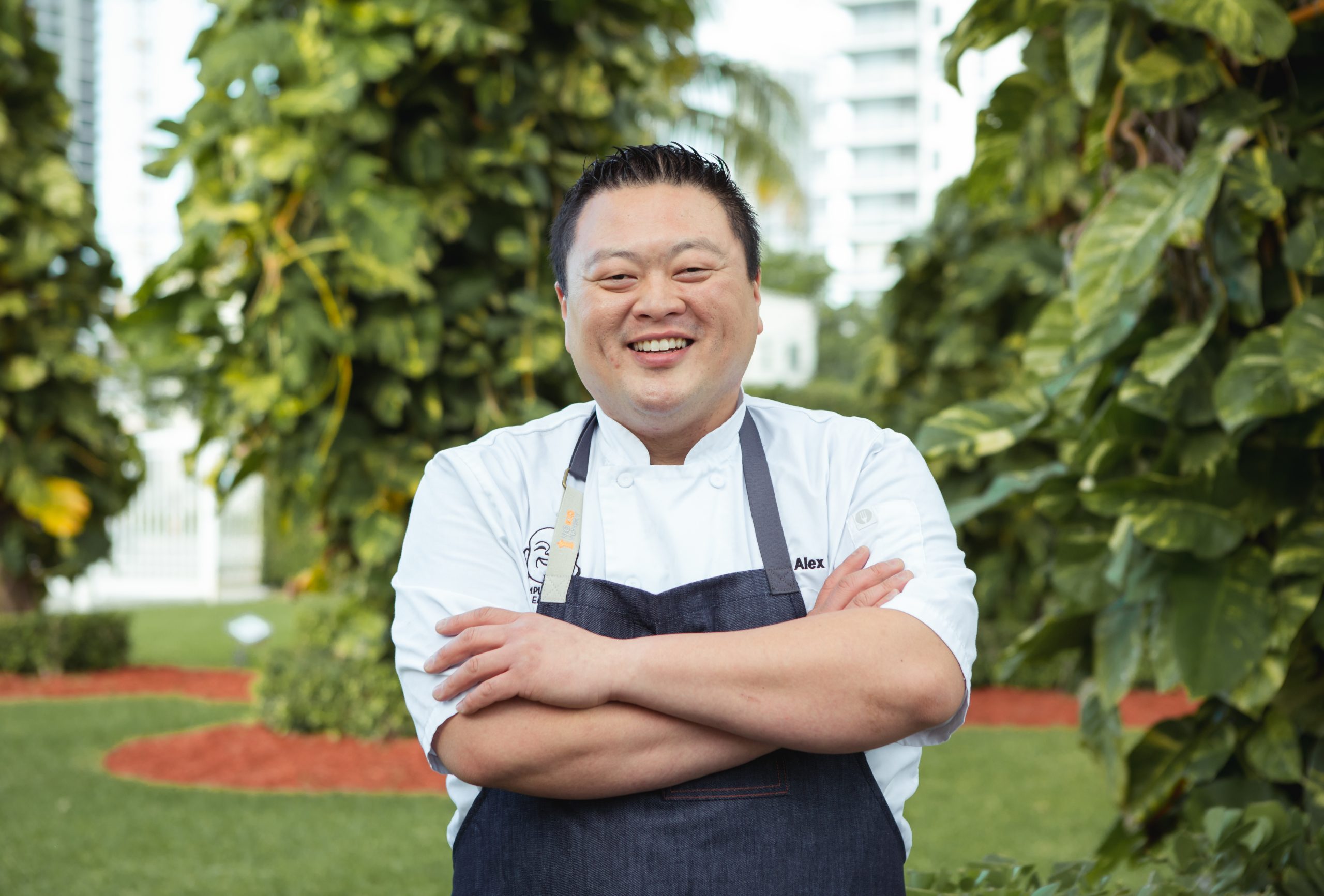 Alex Kuk, a fourth-generation restaurateur, is the co-owner of Wan's. His previous experience includes co-founding Temple Street Eatery and managing several notable South Florida restaurants, including RA Sushi, Houston's, and Sushi Maki. Alex holds degrees in Hospitality Management from FIU’s Chaplin School of Hospitality and Tourism Management.
 Melinda Kibler, CFP®, EA will join Palisades Hudson's executive team as a vice president as of January 2026. Currently a senior client service manager, she supervises the staff of client service professionals in the firm’s Fort Lauderdale, Florida headquarters, where she is based. Melinda also serves on the firm's investment committee and heads its Entertainment and Sports team along with Rebecca Pavese. For Melinda's full biography, click here.
Episode Transcript (click arrow to expand)
Welcome to “Something Personal.” I'm Amy Laburda, the editorial manager at Palisades Hudson Financial Group. Many of us have a favorite local restaurant, but not everyone is lucky enough to be able to keep the same favorite restaurant for decades. Today, I'm sitting down for a conversation about the restaurant scene in South Florida, what it takes to keep a family business going from one generation to the next, and much more. First, I'm welcoming Melinda Kibler back to the podcast.
00:33
Melinda is a senior client service manager who will join our executive team as a vice president in January of 2026. She supervises the staff of client service professionals in our firm's Fort Lauderdale headquarters. She's also a member of the firm's investment committee and its Entertainment and Sports team. Melinda is a Certified Financial Planner® and an IRS enrolled agent, and serves Palisades Hudson clients across the country. Melinda, it's so nice to talk to you again.
Melinda Kibler
Thanks, Amy. I'm happy to be back.
Amy Laburda
And I'm excited to welcome Alex Kuk to the podcast today.
01:03
Alex is a fourth-generation restaurateur based in South Florida. He co-founded the Temple Street Eatery and recently spearheaded the revival of Wan’s, a restaurant that has been connected to his family for generations. Before co-founding Temple Street Eatery, Alex also managed several notable South Florida restaurants. Alex, welcome to “Something Personal.” We're delighted to have you.
Alex Kuk
Thank you. Thank you. Great to be here.
Amy Laburda
So you're both down in Fort Lauderdale, but I am not. So for listeners like me who aren't locals, I want to give a little background about our conversation today.
01:32
Larry Elkin, the founder of our firm, has been a longtime patron of Wan’s, back when it was Christina Wan’s Mandarin House, before its current incarnation. But if I've done my research right, it's actually been in the South Florida scene for much, much longer than Larry's been going there. So Alex, would you mind giving our listeners a little bit of the history of Wan’s?
Alex Kuk
Well, I’m not sure how old Larry is, but Wan’s started with my great-grandfather about 60 years ago, and actually it’ll be 60 years… And we actually started down at Southwest Eighth Street, on Calle Ocho.
02:02
He was a chef in the army. And when communism came to China, he fled to Taiwan. Taiwan, somehow he went to Brazil. And Brazil, he ended up in Calle Ocho. And from there, he invited my grandfather to bring his family over. So my parents grew up, my mom grew up in the Coral Gables area, my aunts and uncles. From there, we moved from Southwest Eighth Street to North Miami, 163rd. From there, we had a
02:31
restaurant on Young Circle, actual circle in Hollywood [Florida], then to Pembroke Road near the dog track in Hollywood, then back to West Hollywood, Sheridan Street. That's where I sort of was in the picture in the ’80s. From there, we had a small time in Lauderdale Hill, and then to North Fort Lauderdale. Then my aunt opened up back in East Hollywood, east of the tracks of Hollywood Boulevard. And then about
03:00
20 years ago, she moved up here to Fort Lauderdale, to the current location. And so she's been there about 20 years, and she retired last year. So my cousin and I took over.
Amy Laburda
So I can't say exactly what date Larry started going there, but I do think it was in your current location. So we've narrowed the window a little bit.
Alex Kuk
Right.
Melinda Kibler
I can confirm that. I have vivid memories of… It was either ’08 or ’09, being a relatively new hire and Larry asking if I wanted to go to lunch to talk through a few things.
03:29
He mentioned Christina Wan's and said, “Have you ever been?” And I said, “No, I haven't.” And there was a twinkle in his eye. And he says, well, we have to go. I have to take you. And so we had lunch there circa ’08 or ’09.
Amy Laburda
Yeah. I haven't been yet, but it has been promised to me next time I'm down in our headquarters. So I'll see you when I'm down there next time.
Melinda Kibler
It’s on the list. Noted.
Amy Laburda
So Alex, could you talk a little bit about what's different and what's the same with the current incarnation? This restaurant has had so many lives, but
03:56
how did you put your own mark on it? And what was important to you to sort of preserve in taking it over?
Alex Kuk
What do we do differently? Not a whole lot. Not a whole lot was broken. So if it’s not broken, don't fix it.
Amy Laburda
Right.
Alex Kuk
So we rebranded, I guess, my grandfather's logo and the Wan’s name. And of course, since my aunt retired. That's sort of it, that we did to change. Because again, the hospitality, the recipes, and the essence of
04:26
our family and what we serve, it was still, has always been for the last 60 years, it's been kept the same. So really not too much, just a little bit of a face, face lift. We really just put some new paint on there. We did some reupholstery. We did get some new equipment. The equipment in there was 20 years old. And the chef and I — funny story, the chef and I actually found a duck smoker. It was all the way in Orlando. So we have our Brightline that we took up there, and then we schlepped the
04:55
new barbecue back down to the restaurant. But that's sort of all that we did. But to keep it going was a lot. It was giving up, as you said, my past restaurants with Temple Street and again, with my business partner, Diego. We still have a great relationship and [we’re] great friends, and there's no animosity there. We support each other in every way, as small businesses should. But then also we had to keep
05:25
the chefs, you know, that was very important. Again, it's our food, it's our integrity. So we were able to keep the chefs. Keep some of the staff that wanted to stay. Some of the staff did want to move on to other things. But that's sort of what it took to keep it alive. A commitment between my cousin and I. And then also, I mean… Christina retired, and my aunt and my uncle also retired for about, and my mom, for about, I would say, 13 days. You know, retirement doesn't do them well. So they're back every
05:53
Thursday through Sunday. My uncle's still in the kitchen. Mom and my aunt are still in the front, greeting the customers and really keeping the family aspect of it there. So they're very much part of the brand, let's say.
Amy Laburda
So I would applaud anyone who keeps a family business going for four generations. Not an easy feat, I think Melinda will agree, as a professional. It sounds like you had not had a long-term plan to step into Wan’s.
06:22
What made you decide, when your aunt retired, that it was worth preserving, that it was worth stepping away from your other endeavors and really making this part of your family legacy continue?
Alex Kuk
That's a question that my family has asked me for the longest time, because it was, for the longest time, a proposal to do this. I hesitated and I said no, you know, because I had a successful restaurant going with my previous restaurant, you know.
06:51
But then when my aunt had to retire, she asked my cousin and I to come in a few days to help and assist and everything. And when we announced that it — that we were going to close, we saw… I saw the impact that the brand, the restaurant, the family had on the community and vice versa. You know, our community, our customers are not just our customers. They really are… become our friends and our family. You know, I've said other things that they...
07:20
We celebrate their birthdays, their weddings, their funerals, with them and them with us. They really become our family. And I understood really what generational impact has on people. To think that my great-grandfather came here and had a phone book and was able to open a restaurant with very little English, my grandparents as well, my aunts and uncles.
07:48
And we have everything with our iPhones and it's still difficult. And for them to be able to keep this going for so long without the technology and the convenience that we have now. I couldn't let that go away. You can't let that just that… that's, as someone put it, that's really invaluable. There's no price, it's priceless. The bonds that we have with the community and our friends, you can't buy that.
08:14
You know, and that's, in any business, that's the core of your business, the relationship that you built. I always tell… I also teach at FIU [Florida International University], my alma mater, about hospitality at the Chaplin School. And the question right now with hospitality is AI. Everything in every aspect of every business, AI, AI. How's AI going to affect hospitality? And our dean has said, you know, AI can help the work staff. Can help, you know,
08:43
optimize things and shorten time on things. But one thing AI cannot do is actually provide hospitality. What's the difference between the Jack and Coke at my bar and Jack and Coke at the bar across the street? Same Jack Daniels, same Coke. But it's the hospitality that that person's providing. That's the difference.
Amy Laburda
Yeah. I can certainly speak to…
09:07
I have a running joke with a friend here in New York City that you can measure how long you've been in New York by how many restaurants you're upset have closed. You know, and I think, you know, we're in New York. It's not hard to get good food elsewhere. Like, it's not a lack of options, but you have those connections with the bartender that you're used to getting your Jack and Coke from, or the particular way that they made the tacos that you like, that you just really find those personal touches that you can't,
09:34
can't duplicate. And I think that's what makes someone's favorite restaurant their favorite restaurant, really.
Alex Kuk
Absolutely. That consistency. And also, down south Florida, we have, unfortunately… There is a trend right now with the baby boomers, that they've started their business, but their children don't want to take over. And you see a lot of, let's call it like, craft businesses. Businesses that are plumbers, electricians, restaurateurs. Those people…
10:02
Those are hard-working jobs, and a lot of their kids don't want to do that. They've gotten a better education and want to move on to other crafts. And it's just, we don't have as many Chinese restaurants around, sit-down Chinese restaurants. And also the stigma that we're trying to get rid of is that Chinese food is cheap, fast. It's not… Most Chinese restaurants
10:32
prep everything… That chef is their prep cook and the line cook. In the morning, he preps, he cuts all the vegetables, cuts all the proteins, and he starts cooking himself. He's the wok cook as well. And most restaurants have a prep cook and then a line cook, and most Chinese restaurants don't. South Florida has an influx of all these takeout Chinese restaurants. And everyone just knows hot and sour, sweet and sour, egg roll, spring roll, General Tso’s, General Chang's, whatever the general's name was, chicken.
11:00
But people forgot that Chinese restaurants were restaurants that you used to go on with families, you dined, you had a huge table, everyone shared entrees. You had a little bit called lazy Susan, sorry, Susan. You're not lazy, but there was a spinning glass thing in the middle and everyone shared their entrees. And COVID made it where it's like, oh no, this is my portion, I'm not sharing, I can't share because if I share, I get COVID. But we're going to want to get back into that whole
11:28
family dynamic of people coming together, the family coming together. Hey, how was your day? What's the week looking like? How's grandma and grandpa? What's the grandkids up to these days? Who's who scored what in soccer? And having those conversations again.
Amy Laburda
Absolutely. Melinda, I know from the financial planning side, planning succession for a family business is sometimes pretty hairy. I don't know if you had any particular horror stories or cautionary tales, I guess, to put it less direly, about
11:57
those kind of handoffs going more poorly or, you know, almost going poorly and then getting saved.
Melinda Kibler
Yeah, I think family dynamics are tricky. You know, I see this all the time, especially as being, you know, sort of the third party that gets called in to talk through these things, and to help guide them and do the planning. And I actually was curious, Alex, to nose my way a little bit into how that all worked with you guys. Because, yeah, you have to have
12:22
a feel for, realistically, who's doing what work, right? I love, you know, everyone loves this idea. I love to hear a family generational story. I'm very familiar with that. We've had clients, you know, I have personal touches to that. And so the idea of passing the company onto the next generation is such a beautiful thing. But then the reality sets in of: Well, who's doing the work? Who has what job? Who has final say when there's a disagreement if you have multiple partners in the business.
12:48
Who's financially kicking in when it comes to tough times? Who gets the payday when things are good? Looking at what happens if the beer truck hits you tomorrow, who's taking over? So there is a lot of complication on the legalistic side of it, and how to keep that moving when you also have the family dynamics of still wanting to sit down together on a Sunday in peace and have your family dinner. So I've heard some families have brought in third parties to help guide that. I think that's super helpful.
13:17
But I was curious, Alex, how you guys went about that. You have so many family members in the mix here. Like you said, everybody's showing up on a Thursday to help out, and it's this wonderful family thing. But now that you have taken over, how does that work with guidelines for who's in charge of what, who gets final say and steering the ship, so to speak? Because at the end of the day, somebody has to be the last stop. So can you talk a little bit about how that transition worked for you guys?
Alex Kuk
It definitely was a transition. I think … Someone gave me a book. Harvard actually has a
13:47
whole course on family business. Yes, you know, when it comes to… Everyone's fine and dandy, family, friends. But when it comes to business and money, then that's when it gets a little hairy. Then, like you said — I always use the joke that we still have to have Thanksgiving, you know, this year together. It was a blessing in disguise. I had another friend of mine who has a successful chain of restaurants in Jamaica, and their mother was the boss. And it was time for the mother to step down.
14:17
And they did some studying and everything. And what they did was they brought in a third party, like you said. And this third party was able to have a pretty thick skin to be able to tell the mom, “No, we're doing it this way. This is the way the board wants to do it.” Or let's take suggestions from mom and give it to the board. And be that liaison, you know, where they're still having Thanksgiving in a few weeks. For me, you know, it was a blessing in disguise. I really rely on
14:44
on faith, if you call it. I have a lot of faith in my faith. But I was at [the] South Beach Wine & Food Festival, which was also very dear to my heart, especially with being at FIU and everything. And it was a few weeks before we were opening. And someone goes, oh my god, you have to meet Chef Adrianne. Chef Adrianne's also local and everything. I met Chef Adrianne. And automatically, I was like, oh my god, what's your schedule like in the next few weeks? And she's like, I'm actually pretty open. Why?
15:11
I'm like, well, you know, you've opened restaurants before, you're, you know the culinary side, you know the service side and bringing a team together. And I needed someone to help me do that. And I said, let's bring you on. I brought her on as opening GM for the first three months. And she was a great liaison. She was able to navigate the family through tough conversations, you know. Another good friend of mine, John Wai, who's a very good martial artist and business person, you he always says, if you're in a room negotiating, if
15:41
everyone feels a little uncomfortable, you're winning. And she was able to make it where everyone felt a little uncomfortable but understood that what we were doing in the past worked, but that has changed. So in the past, if my aunt and uncle needed backup, sort of my cousin and I were there to help back things up and support wherever we could. But now that the shift changed to where my cousin and I are sort of heading the ship, we look back:
16:10
Yes, they're there as our backup, but they're not our long-term solution backup. So we needed the family to understand that. And what does that mean? Do we have the perfect solution yet? Absolutely not. We're working on that. But we had a plan. We had to make, you know, spend money where I thought we needed to spend money. And they may not think that we need to spend money in that area, you know, for marketing or hiring a GM or, you know, hiring twice as much staff in the beginning, because they were very fortunate to have
16:40
a staff that showed up for work every single day. Rarely did anyone call out. That was like the number one thing, if you ask about any staff, as long as they show up on time to work. And nowadays, you know, that's not the case. So I had to hire double the staff. And the restaurant would say if you need 30 people, you hire 90, because 30 are going to quit, 30 are going to get fired, and you're left with 30. So that was a huge help that we had someone, a third party, come in. I would recommend that to anyone.
17:09
Do some interviewing, but you have that strong personality to say, listen, thank you for all you've done, but your strengths are here and your weaknesses are here. And this other person has strengths here. We just sort of… My uncle is still in the kitchen. My aunt's still in the front with my mom. And their strengths are, my mom and Christina, the person walks in, they don't even need a menu. They know their name. They just put their order in and voila. The person doesn’t … We have customers that don't even know what they're eating.
17:37
They go, your aunt knows my order. I go, I'm so sorry, my aunt's not here. What do you eat? They’re like, oh, I don't know. I'm like, well, chicken, beef, pork? They're like, “I think it's …” And I'm like “...” Because I just walk in, all these years, and it's just, voila, there's a meal. My uncle could… Blindfold the guy and he could tell you exactly what's in the inventory.
18:01
He could tell you how much product you used, and he doesn't have to look at the sales or… He just knows the business that well. But to transfer that knowledge, that is the key now. That generation is not used to using a prep list. My uncle's like, why do you need a prep list for? It's all simple. It's right here. And it's like, yes, but not everyone works that way. So those are little transitions that we're trying to work through. So.
Amy Laburda
Yeah. Speaking of, you mentioned marketing.
18:28
I deeply enjoyed many of the videos on your Instagram while prepping for this interview. I'll link them in the show notes so our listeners can enjoy them too. Did you have any pushback or anyone who was like, I don't know about these behind-the-scenes videos? Or was everyone very on board for, hey, let's invite people in, let's show them how we're doing things.
Alex Kuk
We had… So again, marketing, everything's changed. So my aunt and my grandfather. You used to have to be in the yellow books, yellow pages.
18:58
Is that still around? I don't even know.
Amy Laburda
I honestly don't know.
Alex Kuk
I don't know. But my aunt, you needed to be in print marketing. You needed to be in every magazine. You needed to be in every hotel room. Those flyers that everyone throws out, like you get in the mail. You had to be in there, in the magazines around town. But now, you’ve got to be in a little bit of that. But you have to be in digital marketing for the next generation. And it's funny, because the older generation, you'll see, still use Facebook.
Amy Laburda 19:27
Right.
Alex Kuk
And so that's important. And “Let's Eat, South Florida,” that group has been great for us on Facebook. Then you have, you know, like, you know, my generation that's on Instagram, you know. But then you have the ones that are in…. Everything's on TikTok. You have to be on TikTok. People buy, sell, apparently everything on TikTok. So for marketing, if you want longevity, you've got to be in the social — the print media ish, a little bit. But then you also have to be in the social, social media, digital.
19:55
But then it's hard to see, because everyone's a digital influencer. Everyone's a digital… I can create this and do that. How do you measure that return on investment, right? That ROI. And we were able to find a person who was able to… We did a test. We said, let's showcase this product. And next thing the kitchen is like, why are we selling so much of this? And I'm like, oh, well, she put it on social media last week. Maybe that's why. She's like, oh my god.
20:23
So now you know it works. We chose this random dish, like egg foo yung. And all of a sudden we're like, we’re out of bean sprouts? Why are we out of bean sprouts? Because we sold so much egg foo yung. Oh, we put on social media. You put egg foo yung on social media? I'm like, yes. I'm like, oh, OK. So you saw the return on investment. So marketing is definitely very important. It's very selective. We have all these influencers, even for your business, as your company,
20:51
for a financial planner. I mean, you've got, I think people's testimonials are important, but it's also how you present it and the key words that you use. So it's definitely a must, you know.
Amy Laburda
For sure. I mean, I imagine that… We, like you, get a lot of word-of-mouth referral, but that's not the world we live in, where that's the only way forward.
Melinda Kibler
I was going to ask too. I mean, you had it spot on that, you know, years ago, didn't everyone have a takeout menu drawer? That was a thing, right? You had to have a menu in your takeout menu drawer. But you know, I was talking to one of the
21:21
20-somethings here. And she was talking about the fact that, before she'll go anywhere, she's scoping the Instagram. And if you don't have followers, she maybe feels a little sketched out by you, because who's going there? And is this any good? And to your point, I know lots of younger people are looking at these TikTokers. And if there's not a good TikTok out there that's explaining what you're doing and seems to be getting a lot of hits and is popular, they're not going. And so are you using someone
21:45
in-house to handle all of that stuff? Are you doing a lot of that stuff personally? Have you offloaded that? How does that look? Because it's a learning curve, right, to do any of the social media. I used to laugh teaching my parents how to use something or whatever. Now here I am saying, all right, well, Facebook and Instagram I've got down. But I'll admit, I'm… Learning some of this newer stuff comes a little slower now. And so how did you approach that?
Alex Kuk
Oh, definitely. I am not… I can't… Every time I take a picture, you know, if anything — every woman,
22:15
my wife especially, is like, “Oh, let me see the pictures.” Like, no, no, your angle’s off. Take it for the Instagram.
Melinda Kibler
Do not be taking it so low. What are you doing?
Alex Kuk
See, exactly. So I have definitely offloaded that off to a professional. She works with us. She's great. She does a lot of more restaurant accounts, and she knows all the algorithms and keeps up to date. And just, I didn't even, I got logged off. I didn't even know how to log back in. I'll be honest with you. It's crazy.
22:42
And you know, creating QR codes, everything … when everyone needs a QR code now. Actually, but Amy, back to your question, I forgot you asked as well, was I hesitant on bringing people into the back of the house? I was. Because it's always the back of the house. But then again, I'm like, why would I be? Because people want to see back of the house. Again, another stigma is that, you know, every Chinese restaurant has been shut down by the health department, you know, we're not clean in the back. And I'll be honest, on my day off, I go back there with the crew and we deep clean the
23:11
restaurant once a week. Every night we clean, but once a week we deep clean. And to showcase that our back of the house is operational, is clean, is inviting, you know, that was also very important to me, to showcase that.
Melinda Kibler
I can see how that would be interesting too as someone who's, you know, not ingrained in restaurants. And, I don't know, it's like this mystery curtain back there. What's going on back there? You see sometimes there's a few restaurants out there where you can kind of see into the kitchen as they're working.
23:35
To be honest, I can imagine if you're the one working back there, it's a little uncomfortable to have eyes on you. I can imagine you want a little privacy back there while you're in your mode. But I'm sure it is interesting to people who are scoping you on Instagram or TikTok to see what it's like in the background, see a different job.
Alex Kuk
It is, because… It's also interesting because you see a lot of Western restaurants, and you have your stations and everything. But with a wok, it's different. We’ve got water flowing, to constantly cool, keep the metal cool. You have this fire that looks like the back of a jet engine.
24:04
This one wok does everything. I remember coming home from FIU. I'm like, hey, Dad, look, I've got a paring knife. I've got an eight-inch chef knife. I know a saute pan. A tawa pan. I've got this pot, that, and he just looks at me like, OK, great. I'm like, you know, what's wrong? Like, he's like, everything you do, all that you've shown me, I just need a wok and a chef with a cleaver and I'm good. I'm like, OK. He's like, my wok, can smoke, steam, bake, fry, saute, whatever, all in the wok. You know, I'm like,
24:31
all right. Yeah. So it's definitely a whole art back there to that.
Amy Laburda
Oh, I think to your earlier point, too, you know, people who might undervalue this skill. I definitely was incredibly impressed just watching your staff working with the wok, how fast that goes, you know, the particular, you know, temperature control, all of this skill that is making up, you know, simple tools. And then you've just got this person who knows exactly what they're doing. It was very impressive.
Alex Kuk
I always, I mean,
25:00
I don't think that my aunt and uncle understood that if you look at… The restaurant seats about 80 people, about… Almost 20% of our business is takeout. And understand that basically what supports that is two people, two woks, are producing most of the entrees. It's just mind-blowing to me how they do that. We have an appetizer guy, but mainly it's two people with two woks producing that much food. It's crazy.
Amy Laburda 25:30
Wow. I do want to back up a little. You had mentioned coming home with all your gear from FIU, but backing up a little even further: How early did you know you wanted to go into food as a career? Obviously you have this rich family history. Was there ever an impulse to rebel or did you know pretty young that this was your path?
Alex Kuk
It's interesting. I would say I knew hospitality was my path, because I watched my grandparents do it, and watched my parents do it, and my aunt and uncle. And I loved
25:58
serving people. I loved inviting people into dinner at our restaurant. People… Essentially our job is easy. People come hungry. You might come hangry, but we're here to serve you food. I mean, it's not like you're going to go to the dentist, you know? So I enjoyed it because it always seemed like a party, you know? So I enjoyed that. But I did want to do… I wanted to become an acupuncturist. And there is a great school up the road called ATOM [Atlantic Institute of Medicine] that they always want me to go to.
26:28
But then I tried to do medicine, and I did not do well in Chem 1, nor did I do well in Bio 1. I only passed Bio 1 because my great professors allowed me to draw out mitosis-meiosis. That was the way I passed. And then a great mentor, he recently passed, but he was a great mentor around the area also, Arnold Gravier. He said, hey, why don't you go into hospitality management? And I first heard “hospital management.” I'm like, OK cool. Let's try that.
26:56
But that actually was hospitality management. And then I was taken under by Chef Michael Moran at FIU, who's no longer there, but he's moved on. And to show that I just sort of flow in, like, I understand this. I understand marketing. I understand how to run the restaurant. I've been in the restaurant. To see that, hey, what our family did may not be what corporate does. We don't have an HR department. We don't have all these policies and procedures all down yet. But
27:26
A server comes in and does the same thing every day. A chef comes in, does the same thing every day. It's not written down, but that's what happens. And from there, just being in the restaurant business, it's where someone called us adrenaline junkies. You know, we love the rush. And then at the end of the day, we need to pint ice cream to cool us down. And the next day we do it again, you know. It's fun. But it's definitely hard on the family aspect, I will say, because
27:53
we are the first ones in, last ones out. Every holiday we're working. But for us, it's a pleasure to really serve the community.
Amy Laburda
Yeah, I think, you know, you probably didn't have this, because you were behind the scenes of the restaurant. You saw how it worked. But I think, you know, there's a lot of romance sometimes around kitchens in restaurants. Obviously, “The Bear” has been hugely influential recently, but there are tons of other TV shows and movies about sort of back of house.
28:19
When you used to teach at FIU, or just in your career, if you have young people who are like, oh, I really want to get into restaurants, I really want to have my own restaurant: Do you have any sort of myths that you're quick to bust for them? Or just any sort of general advice you find yourself giving about the gap between the fiction and the reality of actually running a restaurant?
Alex Kuk
It's funny. The other day I just ran across a reel on Instagram, and it was about the armed forces.
28:48
And they said that every branch was represented. And every branch came up and gave a great presentation about how they were the best. And then the Marines got up there and said, it's going to be a lot of work. We're going to put you through hell and back. We're going to build your character. But it’s not going to be easy. And if you think this is you, sign up. And that was it. It is a work of passion, really. It's our… You're speaking from a financial group. Your bottom line
29:17
is shrinking a lot. There's a lot of factors that are now in play: high rent, high labor costs. We're not saying that no one deserves a proper wage, everyone does. But are people willing to pay that amount of money now for, all of sudden, beef going up 20%. My broccoli going up 12% from one week to the next. I mean, it's crazy. Broccoli went from, I could get it at...
29:43
I picked it up myself for $10 last week or get it from a purveyor for $45. That gap is just incredible. Do you have the proper staffing? There's just too many variables for the bottom line is shrinking in a restaurant business. So it's definitely, we're not in it to make millions. We really are here to try to support our family, provide a community with great food and culture. And it's not that glamorous. Again, we're the first ones in, last ones out. We
30:13
destroy our bodies, we eat what we can and don't get much sleep. And we rely on the good old coffee in the morning, you know, that's it. But I'm not saying that's not rewarding. Like I said, if this is your passion, it can be very rewarding. What I would say is a lot of people had it, had… There are trends. You know, there was the acai trend, everyone had an acai restaurant. There was the poke trend, everyone had a poke bowl restaurant. So you have to find something that's stabilized, that's that you're good at, you know.
30:42
Down here in South Florida — New York, you're a restaurant that sells dumplings. Hi, what else do you have? Dumplings?
Amy Laburda
Yeah.
Alex Kuk
OK, that's it. You have noodles. Anything else? Noodles. That's it. Down here, we're not there yet. We’re not where this restaurant is a Sichuan restaurant. This restaurant is a Sichuan Chinese restaurant. We just had an Ethiopian restaurant open up. I mean, New York, you have probably 10, 12 Ethiopian. Here we have two. So if you do want to try
31:12
to do something in the restaurant industry. A best way, my advice, is to try it. Remember, cooking for your friends and for 12 people is different than cooking for 80 people and not knowing what they're going to order. If you do want to try it though, people say, oh, we should try a food truck. I go, eh, not the best idea. Because God forbid that doesn't work, you're stuck with a food truck. And I don't know about you, but most HOAs don't allow you to park a food truck in your driveway.
31:40
So you’ve got to find somewhere to park that thing, right? You’ve got to find somewhere to fill up with water, get rid of the wastewater. You have to have a commissary. And you're driving this truck around and you can't just park it anywhere. You know, cities disallow that. I think actually, some of the safest bet, actually, would be to go to a ghost kitchen. A ghost kitchen is… They have all the area free, the permits for you, all that kind of stuff. All you need is furniture and you're online.
32:08
So you need an online presence. You need your furniture, some insurance, and you're sort of in business. And God forbid the business fails, all you got at home now is a range or fryer and an oven in your garage, which you don't have to really pay rent for. So that's a good way, I would say, if someone wants to try out their concept or restaurant, that's a good way to do it right now.
Melinda Kibler
You hit the nail on the head too with rising rent costs and whatnot. And so was curious to pick your brain on, I mean,
32:38
the area with which your restaurant is has changed night and day in the last 15 years. You know, you're on one side of U.S. 1. The other side of U.S. 1 went from a building or two to boom, boom, boom, you know, apartment building after apartment building. A lot of them have retail in the bottom of them. Like you said, rents have gone up astronomically over the last 15 years. And so how do you view that, in terms of: It's brought a lot of people down to South Florida. So theoretically more customers. But also, as they're building out the bottoms of these
33:07
apartment buildings with restaurants and, you know, activity places and whatnot. Do you feel like that helps or hurts, you know, these longtime restaurants around here?
Alex Kuk
More people, better, right? But you also have more people. We also have more restaurant seats now. And we've seen a bunch of restaurants within two blocks that have opened and closed. Tremendously. Turnover. I know one spot's turned over twice already.
33:37
I can think of… There's a few spots three blocks away that turned over. And these people poured millions of dollars into the build out. So does high rent help? No, it does not help the business survive. It's hard, especially in the summer months, it's hard. If you're established, great, but it keeps you on your feet. It keeps that reminder in the back that you still have that large rent number to pay.
34:06
So if rent could go down, great. I mean, we just got rid of… The governor just got rid of sales tax for our rents. So that helps a little bit. But I'm sure it's going to come back some in other way that we're going to get taxed. But you know, it's a whole cycle. If you have high rent, if you have high food costs, high labor, your prices go up. Can your community that's moving in support that? We are building so fast. These people have other options, have so many options.
34:35
And people are generally a creature of habit. When you open, you have one chance to win them over, generally. And can they… That's number one. So if you're good, word of mouth: good. If you're bad, word of mouth is: You suck. And that's bad. And then, you know, around here, we notice it's almost like New York City. People are generally a creature of habit. So I'm running around. I know that I just want that chicken and broccoli again. And
35:04
I’ve got to go from work to my PTA meeting or my social meeting. And I just need that — what I know to be tried and true — to be home. So I'm just going to hit Uber, or online ordering, or call and just hit repeat. And it's there. So if you fall off that radar somehow, it's very hard to get back on that radar. For example, we closed for, I think, almost four months. And it took us about eight months now to get our lunch business back, because we fell off the radar
35:32
of the lunch routine. Everyone knew taco — Tuesday was taco Tuesday. You know? Wednesday was deli Wednesday. We used to be Chinese Thursday. And the next… China wasn't around for four months so we moved on to, you know, something else. Italian Thursday. So now we’ve got to try to get back on that schedule, for that lunch schedule. Does high rent help? No. But I understand that it's… For example, none of our employees, none of us live in Fort Lauderdale, because the rent is so high. You know?
Melinda Kibler
Same. I'm commuting from West Davie into Fort Lauderdale for work. Yep. I get it.
Alex Kuk
Right.
36:02
Right. And is there a market here that they want you to eat, play, sleep, work in this area? Absolutely. And that does help us. But we've been fortunate enough to be a destination restaurant, where we have people from Parkland and Miami [who] actually do come up to our restaurant. So if you don't have that, it's very difficult. And that's one thing I would say that our family did wrong, was that ideally, if you look at some of these restaurants that are family restaurants…
36:32
I have — A good friend of mine had a tiny restaurant in Hollendale. It was not in the best part of town. And their business was his father's. He was running it. Him and his son-in-law were running it. And they could have sold the business for, like, maybe what? $400,000. But guess what? His father bought the building. And someone wants to build, again, a high rise, believe it or not, with him and the next-door building. They gave him, like, I think, $2 million for the building.
37:02
So I think that's one thing that our family could have, should have, would have done is bought something. Just like the McDonald's of the world. When you buy land, that's where your asset, you know, your really, your return is.
Melinda Kibler
It's interesting. And circling back to your point about creatures of habit, you're absolutely right. I mean, our office is sort of in that Riverwalk area, which similarly has changed night and day in the last 15 years. But it's sort of a running joke amongst all of us that
37:27
there's certain restaurants that we regularly go to, because we can walk from the office. And to be honest with you, I could order half the people here what they're going to order, because we're creatures of habit. So I can see your point with the tried and true as these new restaurants are moving in and turning over, and kind of some may be less familiar with the market, coming from outside markets in. To have your tried and true, you know the market. This is a family that's been here for a long time. So to keep that return business is huge.
Alex Kuk 37:53
I would say even — There's a good friend of mine, Timon [Balloo], at The Katherine up here. He's a James Beard nominated chef. He's had many numerous awards. He's with American Airlines. He sits on the board of No Kid Hungry. Very well-liked and loved still in Miami and everything. And he came up to Broward, because Broward is where his home base is. And he's like, this is a whole different market, whole different mindset, even from Miami to Broward. And even with
38:23
my old restaurant, Temple Street, from East Fort Lauderdale to Pines. It's a whole different market. You have to really know your market. And I think for… It's a running joke in the restaurant industry. If you really want to know what's happening in the restaurant, you sit at the bar, you talk to the bartender and the busboy. And they will tell you any and everything you want to know.
Amy Laburda
Alex, I'm curious, you have such strong ties to Florida. We've obviously talked about a lot of this episode. Did you ever have a moment where you thought about setting out
38:51
elsewhere? Or did you know that you kind of were like, this is the area where I want to build and where I want to make my career?
Alex Kuk
I was fortunate. I worked with Houston's. Houston's or Hillstone. They trained me in San Francisco for six months, and then they got to do three or four months in LA. And then they were like, hey, we're moving you east of the Mississippi. I'm like, oh, like, where? Like, oh, Riverside, Hackensack, New Jersey. I'm like, lovely. Put a South Floridian
39:20
guy in fall, beautiful. Winter, we don't know what to do. So you know, being able to explore the nation and everything. Our brand is so strong in South Florida, I would think that we need to grow our brand slowly here in this home base first, then expand to other areas. Because, again, as I just said, you know, even from Miami to Broward, that's a whole
39:50
different mindset and strategy. So it's slowly, baby steps, you know. You can't grow too fast. So many businesses have grown too fast and it just doesn't work.
Amy Laburda
That actually ties directly into the next thing I was going to ask you, which is, as you said, you've been open under your current model for less than a full year. So this may be a premature question. But do you have any, either short-term or long-term, particular goals as far as
40:15
things you'd like to expand into, things that you'd like to offer that you don't currently offer? Or are you right now just trying to establish more of a solid foundation before you think bigger that way?
Alex Kuk
Absolutely the latter. You know, establish a solid foundation of the core. People knowing their roles, having the procedures done. They always say, you make all your mistakes in your first store, and your second store, you know, is perfected of that. And then from your that to a third store, you can sort of start thinking about
40:44
expansion and everything, because you've got everything in the place. You know to the inch where your water lines need to be, your electrical. So right now we're just trying to get a solid foundation, which I think we're getting there. But ideally in the next year or two, to possibly see in the future if there is something to buy and build. Again, the next place… We've paid — God bless our landlords, we've paid them a lot in rent.
41:13
And I think it's time for us, if we do expand, to eventually invest in property and be the owners of that, to build equity in there. And that will also help us to have equity to expand, as a good person in financial planning.
Amy Laburda
So a lighter question as we're coming towards the end of our show. I read
41:39
that a favorite holiday dish of yours is lion's head. This episode is supposed to air during the holiday season. So I wonder if that's accurate. If you’d describe for our listeners what that is and why it's a particular favorite of yours.
Alex Kuk
So it's actually a Shanghainese dish. It's a regional dish. My grandparents are from Shanghai. And it's something that my dad made very well. It's a meatball, essentially. It's a pork… generally a pork meatball. It's fried, then braised in the soy sauce.
42:08
It's served with a little cellophane noodle on the bottom and bok choy on top. And it's just something that reminds me of… It's the holidays. It's time to be around family. Asians, Chinese in general, we don't really hug. My wife is Venezuelan. So it's like, hug, hug, hug. Hello, you're leaving? Hug, hug. Chinese, we don't really hug. And my wife was like, your family is like,
42:38
very cold. It's our culture. It’s just like, you're here, great. But we do… Our love language is food. So around the holidays, there's meaning behind each dish. There's… From the number of dishes to what kind of dishes, how they're made. And I just remember that for the holidays, for New Year's, my dad used to lock himself for a week after work, in the restaurant preparing all these dishes. And one of his favorite dishes that I would have is this lion head meatball.
43:07
Again, very traditional. You'll find it in Shanghainese restaurants. You'll find it in those restaurants. So we might try to bring that around the holidays. We'll see.
Amy Laburda
Yeah. Well, I'll certainly keep an eye out for it. It sounds delicious. I love a meatball.
Alex Kuk
Thank you. Thank you.
Amy Laburda
So regular listeners, or returning listeners, know I generally like to finish the episode by handing things back to my guests. So before we wrap up today, I'll start with Melinda. Melinda, did you have any final questions for Alex, or thoughts about things we talked about today?
Melinda Kibler 43:34
I was just going to ask, you know, you referenced that restaurants are hard work and it's obviously hard to get away and you're there morning, evening, night. Do you ever have a chance to step away from the restaurant? And if you do, do you eat at other restaurants or do you eat at home? What's your preference?
Alex Kuk
I have been blessed that we do have a strong team, that I'm able to step away. We stepped away from my cousin's recent wedding, and we stepped away recently for a quick trip to New York, and the restaurant is still there. It's good to say.
Melinda Kibler 44:04
Everyone loves “and don't burn the place down” while you're gone. Good. You like that?
Alex Kuk
That's right. That's right. If this wasn't recorded, I'd say something else, but no. But no, because the insurance policy is good, you know, and important. That's another aspect of, of — sorry to go back — but it's another aspect of the business. I mean, our insurance is just. God bless it. We need it. But holy crap.
44:33
You know, it's a whole… Again, that bottom line just, you know, shortens because of those things. So just, again, to operate your business is not just oh, 30 — the old school was 30% food cost, 30% labor cost, 10% rent and 10% fixed costs. I mean, that fixed cost is just, you know, getting a little larger and the bottom line just, you know, shorter. So that's why, again, you're in the restaurant, you know, you're in a position to be in the restaurant, so that
45:01
you don't have to pay an extra person in that position. So. But as far as the restaurants we like to go to around town, I mean, there's some that are tried and true. There's Greek Isles over in Oakland, Oakland Park. There's The Katherine that we love. Of course, Heritage is a great place for Italian. There's Union Bar and Kitchen in Wilton Mears. We actually had our wedding reception there as well. So there are some there's some great restaurants that we just
45:30
tend to go to quite a bit, you know. You know, it's interesting. I still, I do, I'm also a creature of habit. My wife's like, let's go try this restaurant. I'm like, no, let's go back to that restaurant. Why do you always want to go back to that? I'm like because it's tried and true. I know that I'm going to have great service. I know I'm having a great meal and we know what we're getting. You know, this other than new restaurants… You don't want, like, on your one day off to go try, you know… Again, I do try restaurants after I give them a few months, and we'll go try restaurants.
46:00
Most of them are very well. But you don't want to have that one day off, and you go try a restaurant and you're like, oh, honey, look, McDonald's on way home.
Melinda Kibler
I get it. Yeah. You don't want to be disappointed. Or you get the check and you're like, I paid all this money and I could have had something better at home. I get it.
Alex Kuk
Yeah. But I'll be honest. I still… Call me crazy. Sometimes if I've had a long day and my wife's like, what's wrong with you? And I'm like… I literally will go home and I'll just
46:30
cook a simple meal to sort of like, again, unwind. And that's my knife, my cutting board, and my saute pan. That's where I just find my peace sometimes. And yeah.
Melinda Kibler
Well, to your point, if it's your passion, you don't get as bored with it or as tired from it.
Alex Kuk
No, exactly.
Amy Laburda
Excellent. Well, Alex, I'll hand it to you to finish us up today. Was there anything we didn't touch on or anything that we touched on briefly you wanted to come back to? Just a thought that you'd like to leave our listeners with before we end today.
Alex Kuk 46:59
You know, it's a great business. It's been around for serving people. It's been around for forever. And really, you walk into a restaurant and you'll definitely… Even if it's just a server, you can tell if you're really, as a person of faith, to serve people and you find pleasure in that, then there's the business for you. You know, if you're good at what you do, you can make money off of it, you know, and make a living off of it and
47:28
support your family. And that's what our family's done. And it's been a pleasure to serve the community, continue to serve the community. We love hospitality. I love hospitality. My family can't get away from hospitality. I mean, my cousin and I both got a degree in it. It's like, OK, one went to FIU, one went to Cornell. It's like, OK, you know. My other cousin's a financial planner, actually, I think, a lawyer. So, but
47:53
you know, we are just thankful for our community. We're thankful to be able to continue to grow. And we'll be here. Please come visit.
Amy Laburda
We'd love to. And thank you so much for sitting down with us today, Alex. It was a delight to talk to you. I'm very excited for my next trip down to Fort Lauderdale so I can come check it out.
Melinda Kibler
We're bringing back a lunch crowd he was talking about.
Amy Laburda
Right? So I'll have a word with our Fort Lauderdale staff.
Alex Kuk
I hear it's snowing up north.
Melinda Kibler
Good time to visit.
Amy Laburda 48:22
Yeah, we've seen a flake or two. It's coming. All right. Thank you so much, Alex and Melinda. It was a delight to talk to you today.
Alex Kuk
Thank you.
Melinda Kibler
Thanks, Amy.
Amy Laburda 48:33
“Something Personal” is a production of Palisades Hudson Financial Group, a financial planning and investment firm headquartered in South Florida. Our other offices are in Atlanta; Austin; the Portland, Oregon metropolitan area; and the New York City metro area. “Something Personal” is hosted by me: Amy Laburda. Our producers are Ali Elkin and Joseph Ranghelli. Joseph Ranghelli is also our director, editor and mixer. If you enjoyed this podcast, please take a moment to rate and review us wherever you're listening.
49:03
It's a simple way to help new listeners find the show, and we really do appreciate it. Thank you.